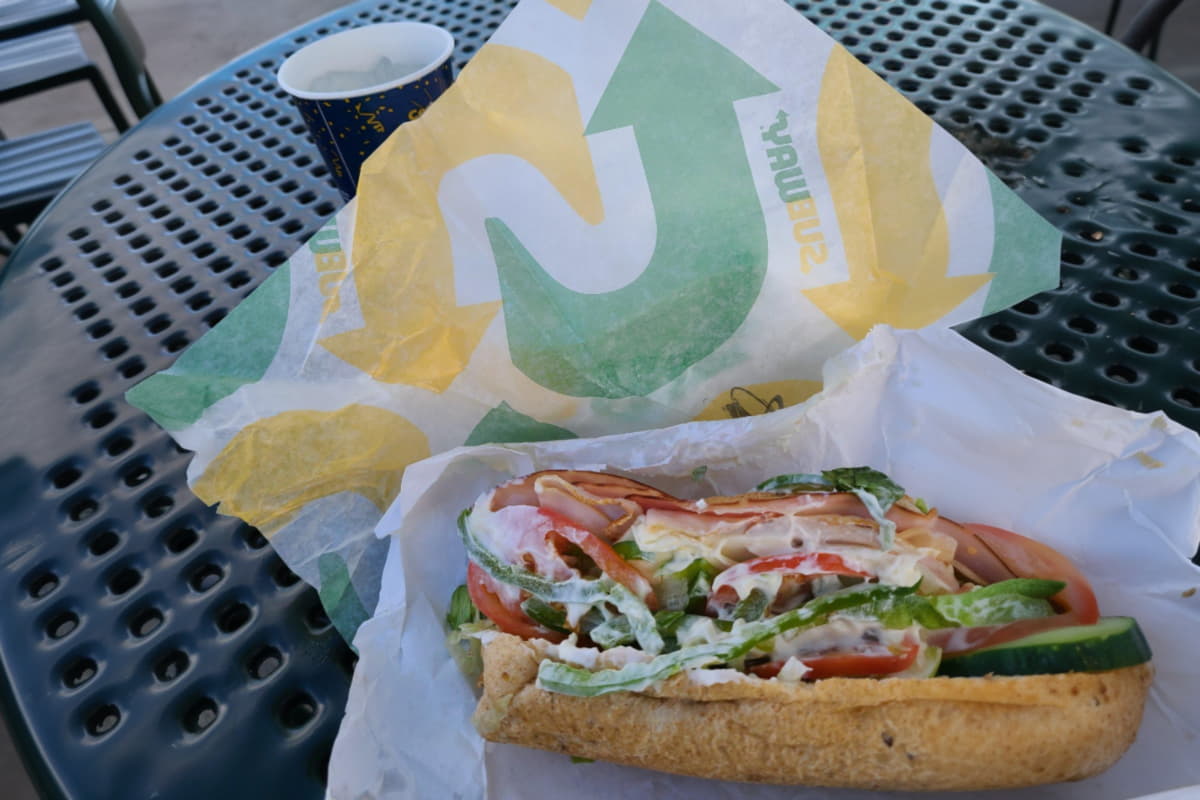
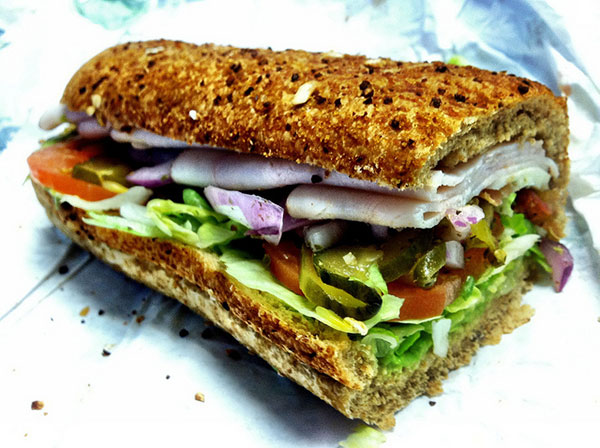
Subway feels good not because it’s gourmet, but because it’s designed to be predictable, familiar, and easy to enjoy.
Every element, the bread, sauces, portioning, and build-your-own format, is engineered to deliver the same satisfying result every time.
That forces a rethink of what “good” actually means.
Because once you look past quality and start looking at how your brain responds, Subway’s appeal makes a lot more sense.
It’s Not “Good”, It’s Easy to Enjoy
The first mistake people make when talking about Subway is assuming “good” means high quality.
That’s not what’s happening here.
Subway feels good because it’s low-resistance food:
- Easy to order
- Easy to eat
- Easy to understand
- Easy to enjoy without thinking too hard
Your brain likes that.
There’s no decoding the menu, no guessing portions, no wondering if you ordered wrong. By the time you sit down, the decision-making part of your brain is already off duty.
That alone makes food feel better.
The Bread Is Designed to Disappear (On Purpose)
Subway bread is not the star of the show, and that’s exactly why it works.
It’s soft, slightly sweet, and low on chew resistance. That means:
- You don’t fight it
- You don’t linger on it
- It delivers other flavors instead of competing with them
The bread acts like a flavor delivery system, not a focal point.
This also explains why Subway bread tastes subtly sweet (and why that sweetness became a legal issue in places like Ireland). Sugar enhances flavor perception, especially salt and fat, and makes everything else feel more satisfying.
Subway Is a Sauce-First Restaurant (Whether You Realize It or Not)
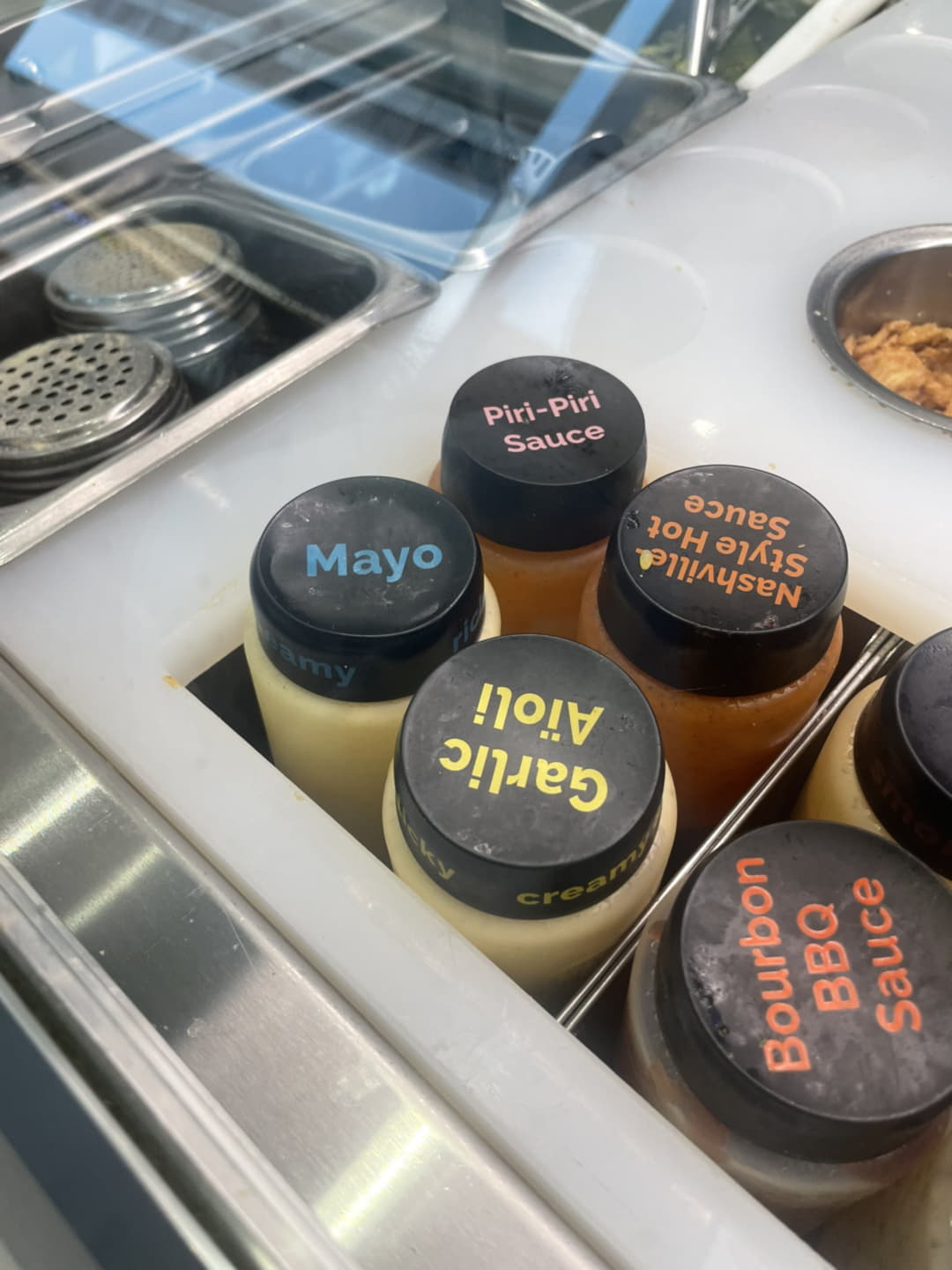
People talk about meats, but Subway lives and dies by sauces.
Fat, acid, salt, and a touch of sweetness do more for perceived flavor than protein ever could. That’s why a basic turkey sub can feel bland… until you add mayo, chipotle, or sweet onion.
Once you do, it clicks.
This is also why people develop very strong Subway orders. The sandwich isn’t the sandwich, the sauce combination is.
Subway’s consistency here matters too. The sauces taste the same every time, which builds trust. Your brain remembers the reward and expects it again.
Thin-Sliced Meats Trick Your Brain
Subway meat is sliced thin on purpose, and not just for cost control.
Thin slices:
- Increase surface area
- Deliver salt faster
- Feel more evenly distributed
Instead of biting into one thick chunk, you get multiple small hits of flavor across the sandwich. That creates the illusion of abundance without heaviness.
It feels indulgent, but not overwhelming.
You don’t leave thinking, “That was too much.”
You leave thinking, “That was about right.”
Customization Makes You Like It More
Here’s the sneaky psychological part.
When you build your own sandwich, your brain gives you partial credit for how good it tastes.
Even if two people order nearly identical subs, the one who chose every ingredient feels more satisfied. That’s a known effect in consumer psychology, participation increases perceived value.
I’ve noticed this myself. On days I order my “usual,” it’s good. On days I tweak one small thing, different bread, extra pickles, a new sauce, it somehow feels better, even if the result is basically the same.
You didn’t just eat a sandwich. You made a decision that paid off.
Familiarity Is Comfort Food in Disguise
Subway doesn’t surprise you, and that’s the point.
The smell, the layout, the order of questions, the way the sandwich is wrapped, it’s all familiar. Familiarity reduces cognitive load, and reduced cognitive load increases comfort.
This is also why Subway tastes better when you’re tired, stressed, or hungry late at night, a topic I dive deeper into elsewhere in this hub.
When your brain is depleted, predictability tastes better than novelty.
The Smell Decides Before You Do
Long before the first bite, Subway has already started working on you.
Warm bread releases aroma compounds that prime your brain for eating. By the time you order, your expectations are already set. Taste follows expectation more often than the other way around.
This is why you can smell Subway before you see it, and why that smell is so memorable. It’s part of the experience, not a side effect.
Subway Wins by Never Asking Too Much of You
Put all of this together and a pattern emerges.
Subway doesn’t demand:
- Deep attention
- Culinary knowledge
- Risk-taking
- Patience
It offers a sandwich that:
- You understand instantly
- You can customize safely
- You know will be “good enough” every time
That reliability is the product.
You’re not chasing perfection. You’re choosing something that won’t disappoint.
So Why Does Subway Feel So Satisfying?
Because it’s designed to be:
- Familiar, not fancy
- Flavor-forward, not ingredient-forward
- Comfortable, not challenging
It’s food your brain can say yes to quickly, and confidently.
And sometimes, that’s exactly what you want.
Especially when you already know what you’re getting.
If You’ve Ever Thought “Yeah… That Makes Sense”
This same logic shows up everywhere at Subway, not just in how the sandwiches taste.
If you found this article interesting, why not check out my guide to Subway, where I take a deeper look at other aspects of this popular sandwich franchise.