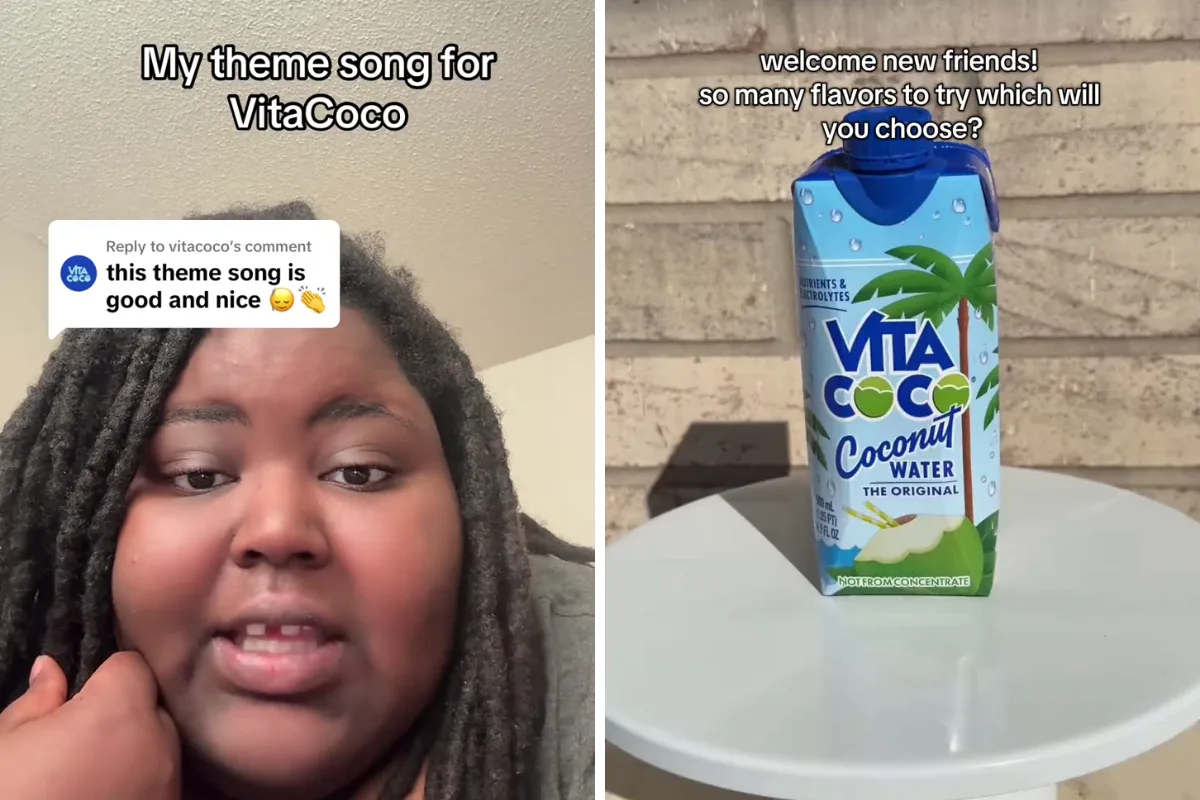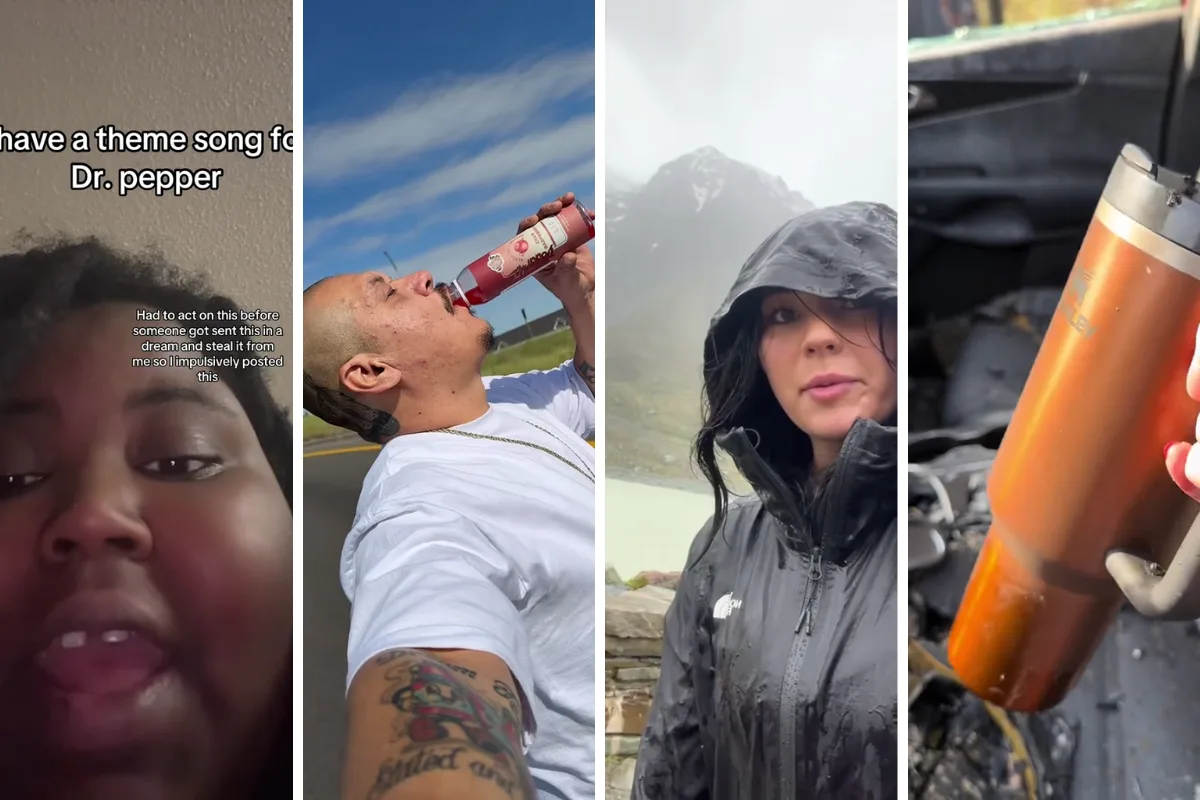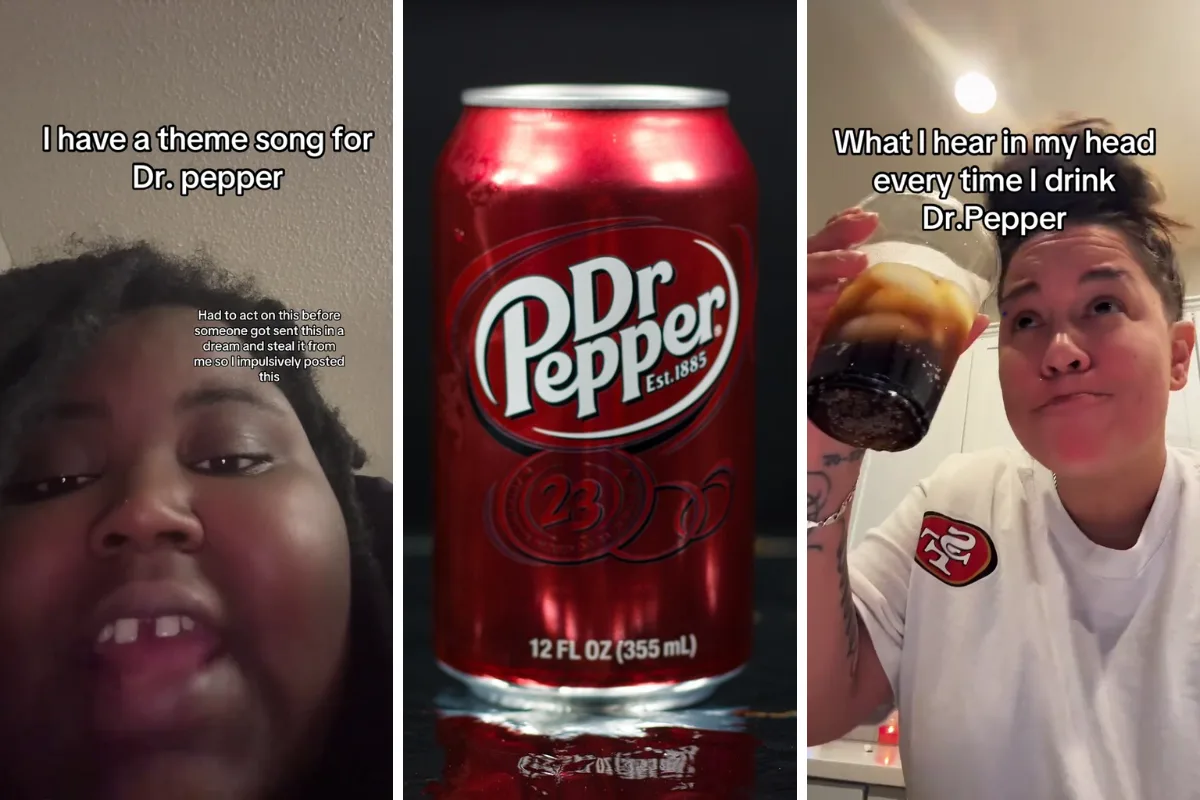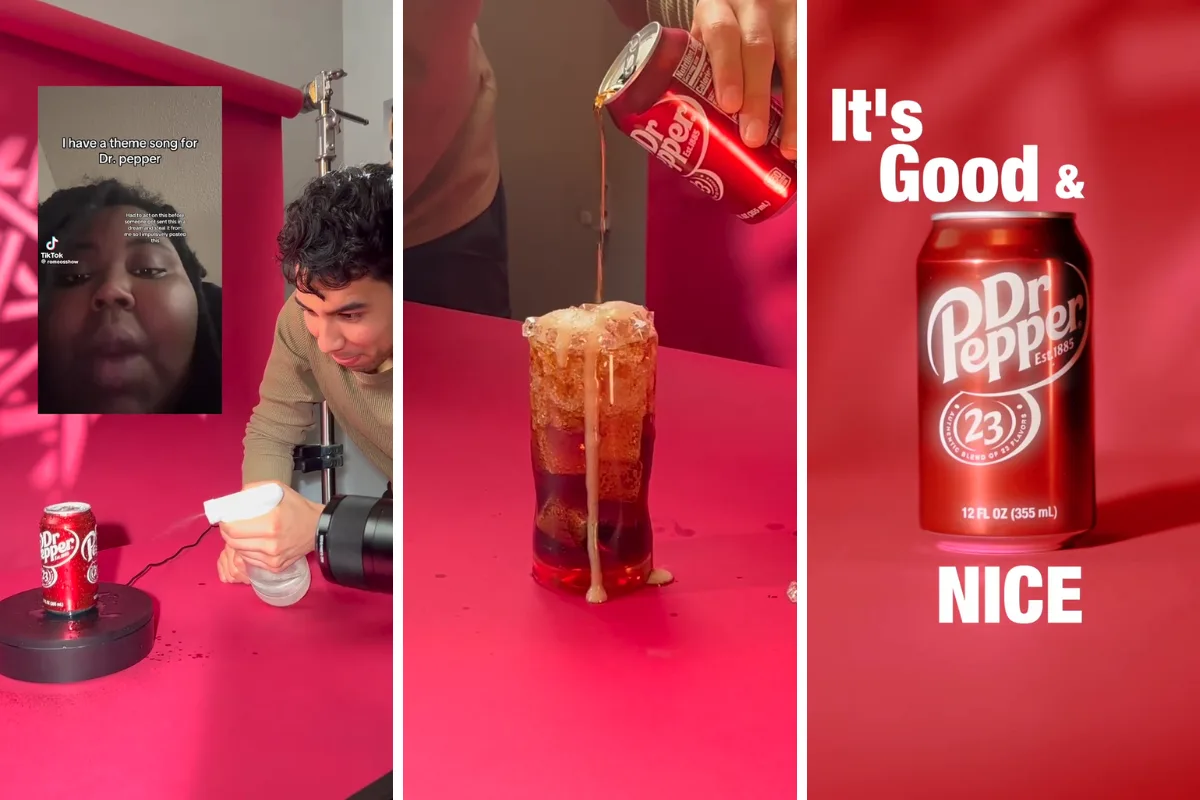
How does a five-second, improvised song turn into a cinematic commercial shot from a home-studio? That question defines the first viral saga of 2026.
After TikTok accidentally created the most effective Dr Pepper ad of the year, creator Jake Ceja stepped in with a “million-dollar” remix that made the moment feel official.
But the real surprise isn’t the production value, it’s that Dr Pepper is winning the marketing without ever opening its wallet, even as the internet starts to question who should benefit from the success.
When a Meme Starts to Feel Official
The remix didn’t take off because it looked better. It took off because the internet was already in “yes” mode.
Why it worked comes down to timing and momentum:
- The crowd was already on board. The original Dr Pepper jingle felt accidental and human, and people were rooting for Romeo’s Show to win. The song didn’t sell a product, it sold a feeling.
- Polish amplified belief, not the joke. Jake Ceja didn’t replace the moment; he rode it. The upgrade gave millions more people permission to cheer, share, and replay without killing the original vibe.
- The extra views were social proof. The remix’s reach wasn’t about camera quality. It was collective endorsement, like a chant growing louder in a stadium.
Once a meme reaches this point, the question stops being why it worked and becomes something more practical: who benefits most from the momentum.
Why Dr Pepper Is the Biggest Winner
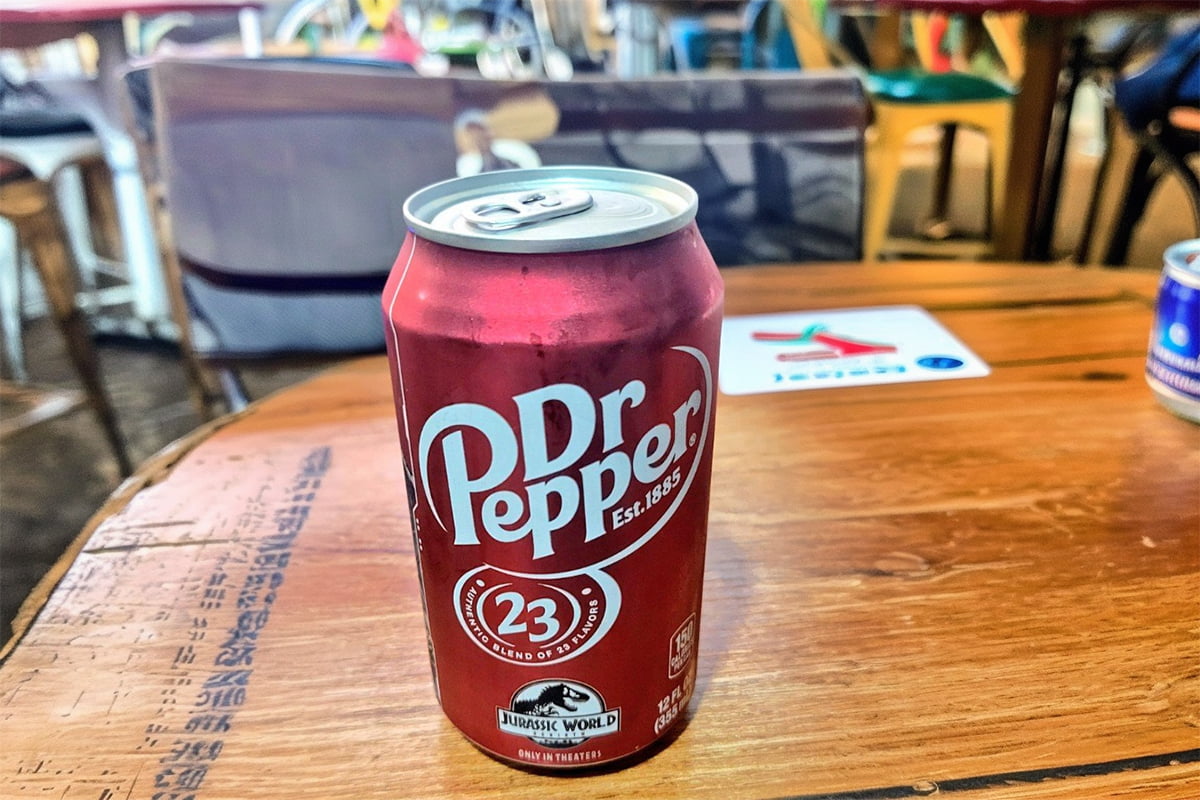
From a business standpoint, Dr Pepper didn’t just win once, the win multiplied on its own. The original jingle had already crossed 20 million views when Jake Ceja’s remix extended the moment, giving it a second life without the brand ever stepping in.
Instead of a traditional campaign, Dr Pepper ended up with three things brands usually pay heavily for:
- Zero production or media spend, with millions of impressions
- Visible purchase intent, like “I don’t even like Dr Pepper and I want one”
- Cultural relevance without cringe, by letting creators lead
A campaign like this would normally cost $100,000 to $500,000. Here, the brand stayed present by doing almost nothing at all.
Dr Pepper didn’t launch a campaign. It inherited one, twice.
When Polish Almost Breaks the Spell
Not everyone loved the remix.
As it spread, a familiar complaint kept popping up: where was the “doo-doo-doo” beat from the original jingle? “7.4/10 because WHEREEEE IS THE DOO DOO DOO,” one comment read, echoing thousands of others.
This wasn’t nitpicking. It was people protecting the part of the internet they felt belonged to them.
Online audiences are very protective about this. They’ll accept better visuals, even higher production, but only if the emotion from the original needs to stay the same
In 2026, polish can’t save a remix if it smooths away the thing that made people care in the first place.
Authenticity isn’t a vibe. It’s the foundation.
The Comment Section Turns Into a Negotiation
As the praise rolled in, the conversation shifted.
“GIVE THAT LADY HER MONEY,” one of the most-liked comments demanded. Others joked about Dr Pepper quietly watching millions of dollars’ worth of promotion roll in for free.
This wasn’t outrage. It was the tribe being in protective mode.
Audiences now understand the creator economy well enough to notice when value is being created, and who’s capturing it. They weren’t turning on the brand.
They were watching closely to see what it would do next.
The Takeaway
This isn’t the first time the internet has done a brand’s job for them, and it won’t be the last.
From viral food moments to social media hacks that actually drive behavior, we’re keeping tabs on what’s worth paying attention to and what’s just noise.