Ever have one of those moments where you see something and think, Wait… have I been settled for less this whole time?
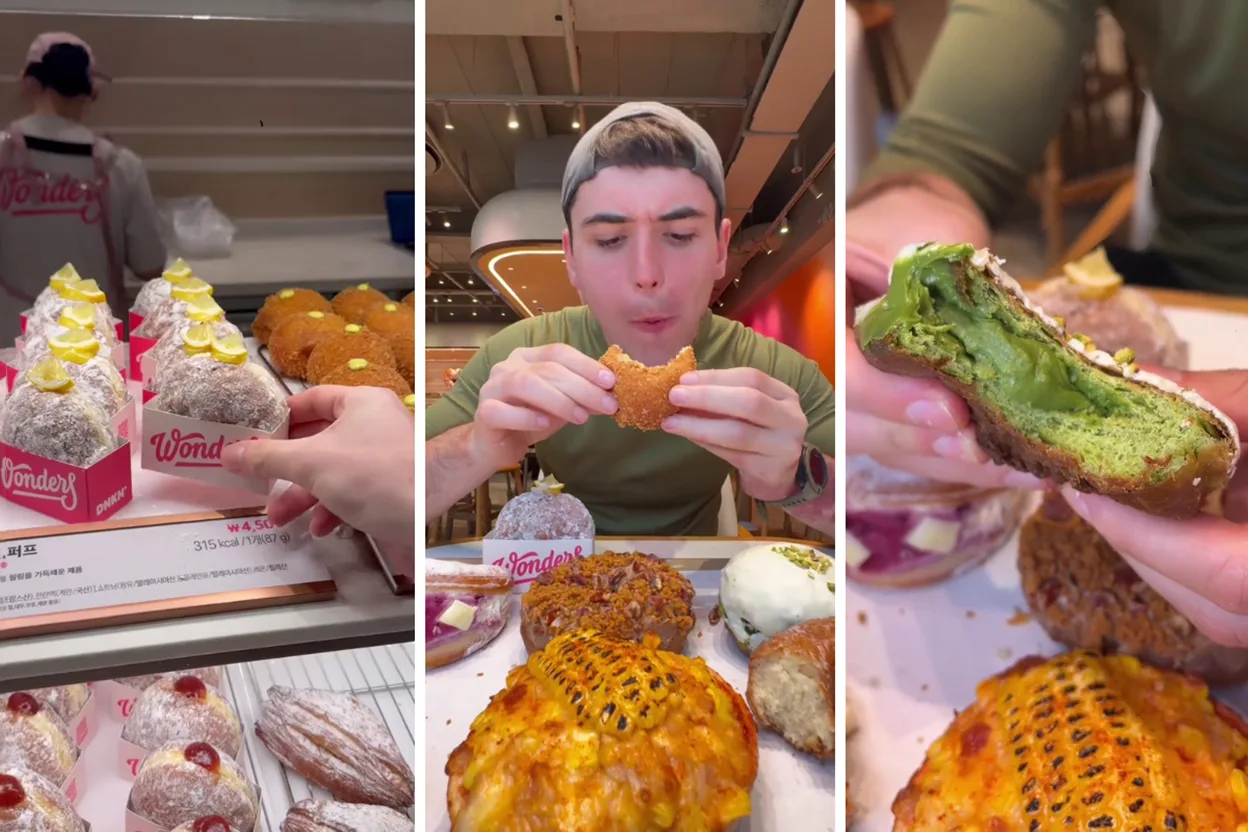
That’s exactly what happened when food creator Josh Slavin posted a video of a Dunkin’ in Seoul that didn’t look like a Dunkin’ at all.
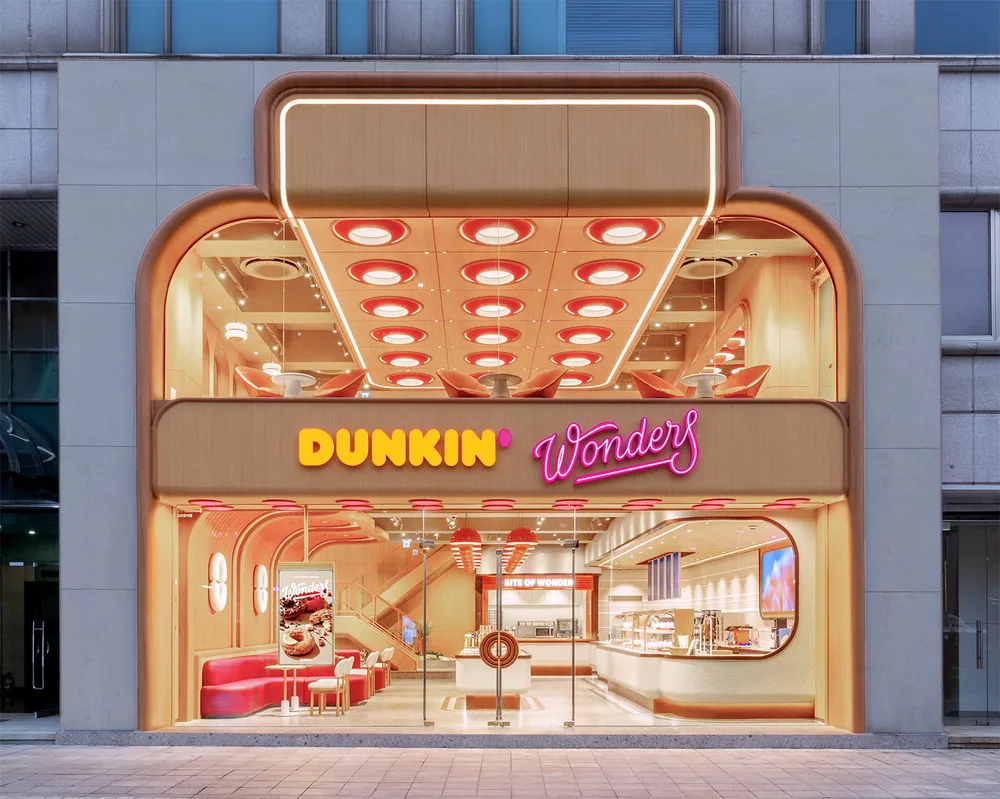
Walking into Dunkin’ Wonders, he found a high-end flagship where the donuts, glossy, overstuffed, and topped with things like matcha ganache, look more like boutique jewelry than a quick breakfast.
It’s Dunkin’, but not as we know it, and the internet’s comment section turned into a group therapy session almost instantly.
Dunkin’ Wonders: It’s Dunkin’… But Not as We Know It
The clip is short and sweet: eight items, quick bites, no big “hot takes.” But nobody really cared about his rankings. They cared about the vibe.
The store layout, the presentation, and the sheer effort put into every donut became the only thing anyone could talk about.
Thousands of comments started rolling in with the same vibe: “Why does my local Dunkin’ look like a garage, but this place looks like a palace?”
The Comment Section Meltdown
If you scroll through the replies on TikTok or Instagram, it’s a mix of awe and pure frustration.
People are joking about getting stale donuts at their local shop, while others are practically begging for a version of this in New York or Boston.
It isn’t just jealousy, it’s a collective realization.
We’re all asking the same thing: If Dunkin’ can actually be this good, why aren’t they trying this hard back home?
The Secret? It’s All About “Small Luxury”
So, why is it so different? A big part of it is a Korean concept called 소확행 (sohwakhaeng), which basically means “small but certain happiness.”
Think about it: when the “big” goals in life (like buying a house) feel like they’re moving further away, those small daily treats matter a lot more.
A $5 artisanal donut or a really pretty café isn’t just a snack; it’s an attainable luxury. It’s a way to reward yourself without breaking the bank.
In Seoul, that premium donut isn’t “extra.” It’s the entire point.
Cafés as Places, Not Pit Stops
There’s also a huge difference in how we use cafés.
In the U.S., Dunkin’ is built for the morning rush. It’s all about drive-thrus, mobile pickups, and getting in and out as fast as possible. Efficiency is king.
But in Korea? Cafés are “third places.” They’re where you hang out between home and work. People stay for hours, meet friends, or just exist in a cool space.
Because Dunkin’ Wonders is in Cheongdam-dong, a neighborhood famous for high-end fashion and design, a “basic” donut shop just wouldn’t survive the competition.
A Different Way of Doing Business
Finally, there’s the “how.” Dunkin’ in Korea is run by the SPC Group, and they treat the brand like a gourmet bakery.
They use “Hub Kitchens”, flagship stores where the donuts are partially made by hand. These fresh batches are then delivered to smaller stores nearby. It’s a literal physical system designed for freshness and experimentation.
Compare that to the mass-produced, factory-vibe we often see in the States, and you can see why the “quality gap” feels so massive.
What We’re Really Mad About
At the end of the day, the internet’s meltdown isn’t about matcha or caramelized sugar. It’s about standards.
Slavin’s video accidentally proved that the brands we grew up with can be incredible if they have to be.
In Korea, Dunkin’ is competing with the best bakeries on the planet. In the U.S., it’s mostly just competing with your morning commute.
It’s hard to look at your local glazed donut the same way once you’ve seen what’s possible. And that leaves us all with that one nagging question:
Why does it take a trip to Seoul to see a brand finally reach its full potential?
If You’re Still Thinking About Dunkin