Some of the best ads of the decade weren’t ads at all.
They were accidents, a single clip, posted without a plan, doing what multimillion-dollar campaigns struggle to pull off: making people trust a product instantly. From viral mishaps to perfectly timed human responses, these moments weren’t engineered, but they worked.
At a time when most ads are skipped on sight, these clips did the opposite. Here are five times the internet gave brands better ads than their own agencies ever could.
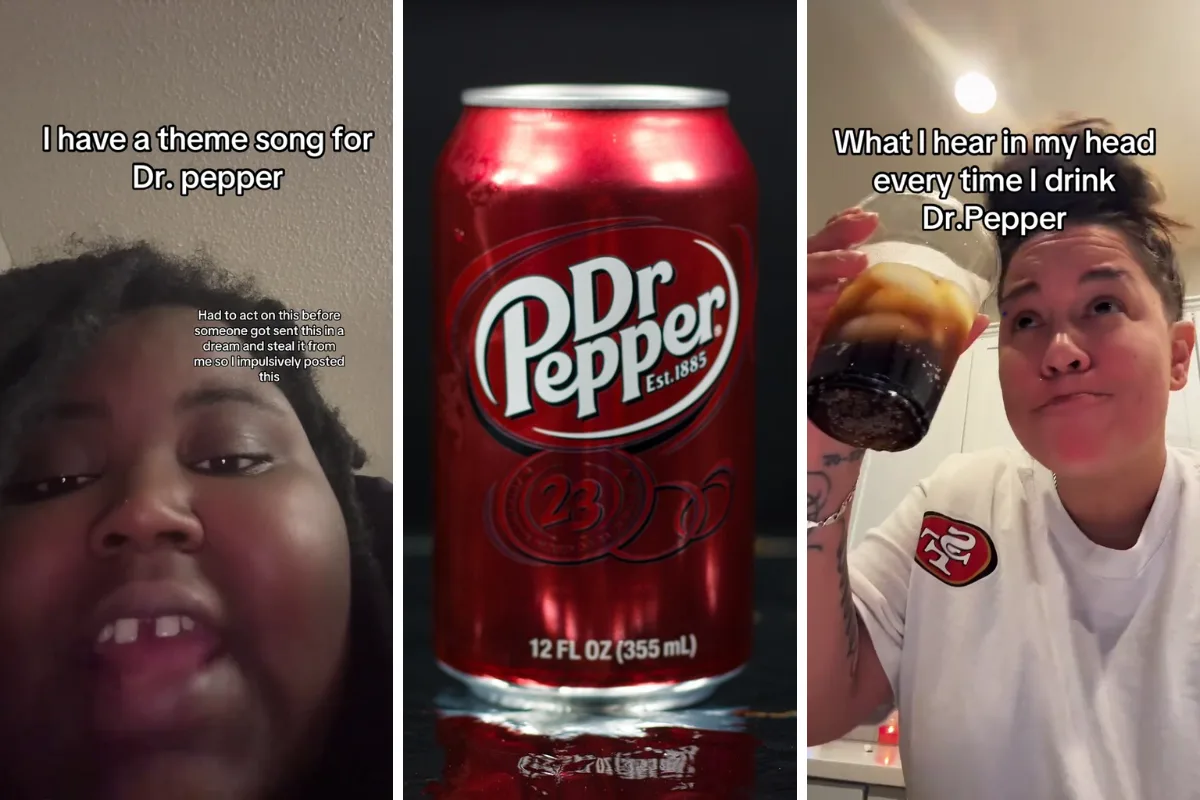
#1 Dr Pepper: The Jingle That Sold a Soda Without an Ad
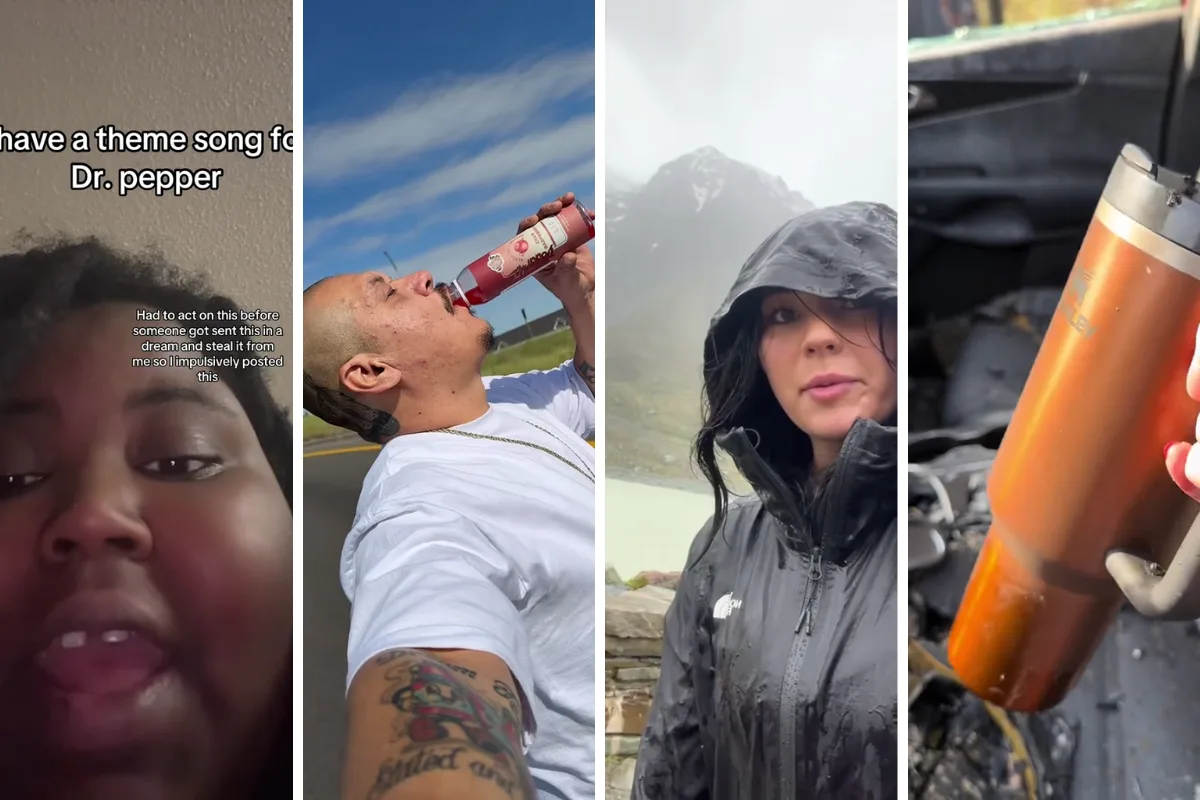
How It Happened: TikTok creator @romeosshow posted a lo-fi, improvised jingle about Dr Pepper being “good and nice.” It wasn’t a paid sponsorship or a planned campaign, just a five-second thought shared for fun that captured the simple joy of the drink.
What Happened Next: The clip exploded, racking up millions of views. The comment section became a wall of “Social Proof,” with thousands admitting the song made them crave a soda. Many filmed themselves going to the store immediately to buy one just because of the tune
Why It Actually Worked: The jingle didn’t feel like advertising; it felt like a friend sharing a thought. Because it lacked the polish of a corporate ad, the audience trusted the “vibe” enough to act on it immediately.
#2. Ocean Spray: The Highway Breakdown “Vibe Check”
How It Happened: When Nathan Apodaca’s truck broke down, he filmed himself longboarding to work while sipping Ocean Spray and listening to Fleetwood Mac. The moment was calm, unplanned, and completely unscripted.
What Happened Next: The video became a global phenomenon. Ocean Spray moved quickly, not just by thanking him, but by gifting Apodaca a brand-new, cranberry-red pickup truck to replace his broken vehicle.
Why It Actually Worked: The clip didn’t explain the product; it showed how it fit into a “mood.” By responding without overproducing the moment, Ocean Spray let the original organic vibe do the work, proving that authenticity beats a high production budget every time.
#3. Stanley: The Car Fire Survival That Rewrote the Marketing Playbook
How It Happened: After a devastating car fire, TikTok user Danielle Marie Lettering shared a video of her charred interior. In the center console sat her Stanley Quencher, completely intact, with the ice audibly rattling inside despite the extreme heat.
What Happened Next: Within a day, Stanley’s president posted a response. He didn’t just offer a few replacement tumblers; he promised to replace the woman’s entire car, a move that stunned the internet.
Why It Actually Worked: The video delivered undeniable, “impossible to fake” proof of durability. By matching the scale of the viral moment with a life-changing gesture, Stanley turned a shocking accident into a permanent trust signal that no traditional commercial could replicate.
#4. North Face: The “Helicopter Rescue” Response
How It Happened: Hiker Jennifer Jensen posted a raw video from a rain-soaked mountain, frustrated that her “waterproof” North Face jacket was soaked through. It wasn’t a polished review; it was a gritty, public complaint made mid-hike.
What Happened Next: Instead of issuing a standard apology, The North Face located her on the trail and filmed a team flying in by helicopter to hand-deliver a top-tier replacement jacket.
Why It Actually Worked: A visible product failure became a live demonstration of accountability. By responding louder and faster than the complaint itself, North Face turned a “one-star” moment into a cinematic event, proving they stand behind their gear when it matters most.
#5. Chewy: The “Flowers for a Grieving Pet Parent” Tweet
How It Happened: When Anna Brose’s dog passed away, she messaged Chewy to return an unopened bag of food. She was just looking for a refund, not a viral moment, but the response she got was entirely unscripted.
What Happened Next: Chewy didn’t just process the refund; they told her to keep the food and donate it to a local shelter. Days later, a hand-signed sympathy bouquet arrived at her door. Anna’s post about the gesture exploded, reaching millions of pet owners.
Why It Actually Worked: Most companies treat returns as a policy decision. Chewy treated it like a human moment. That single act of empathy earned more goodwill and lifetime loyalty than any multi-million dollar scripted ad campaign ever could.
Why Authenticity Still Wins
The internet isn’t impressed by polish anymore. It’s impressed by proof.
What ties these moments together isn’t luck, it’s believability. Each one shows a product or brand behaving the same way it would if no one were watching. No scripting. No framing. No attempt to optimize the moment for a boardroom presentation.
As advertising gets easier to generate and harder to trust, the bar has quietly shifted. People don’t respond to what looks perfect; they respond to what looks real, especially when it’s messy, unexpected, or inconvenient for the brand.
Authenticity wins not because it’s virtuous, but because it’s still the one thing that’s impossible to fake.
For more moments where the internet, not marketing teams, drives the conversation, explore our Viral Food Trends & Social Media Hacks hub.