
Fresh coconut water is usually clear or almost colorless. But you might also come across coconut water that’s pink, yellow, brown or cloudy.
Does that mean it’s gone bad? Not necessarily.
Coconut water can change color because of natural reactions, heat, processing or storage. Some changes are perfectly normal, while others deserve a closer look.
What Do Different Coconut Water Colors Mean?
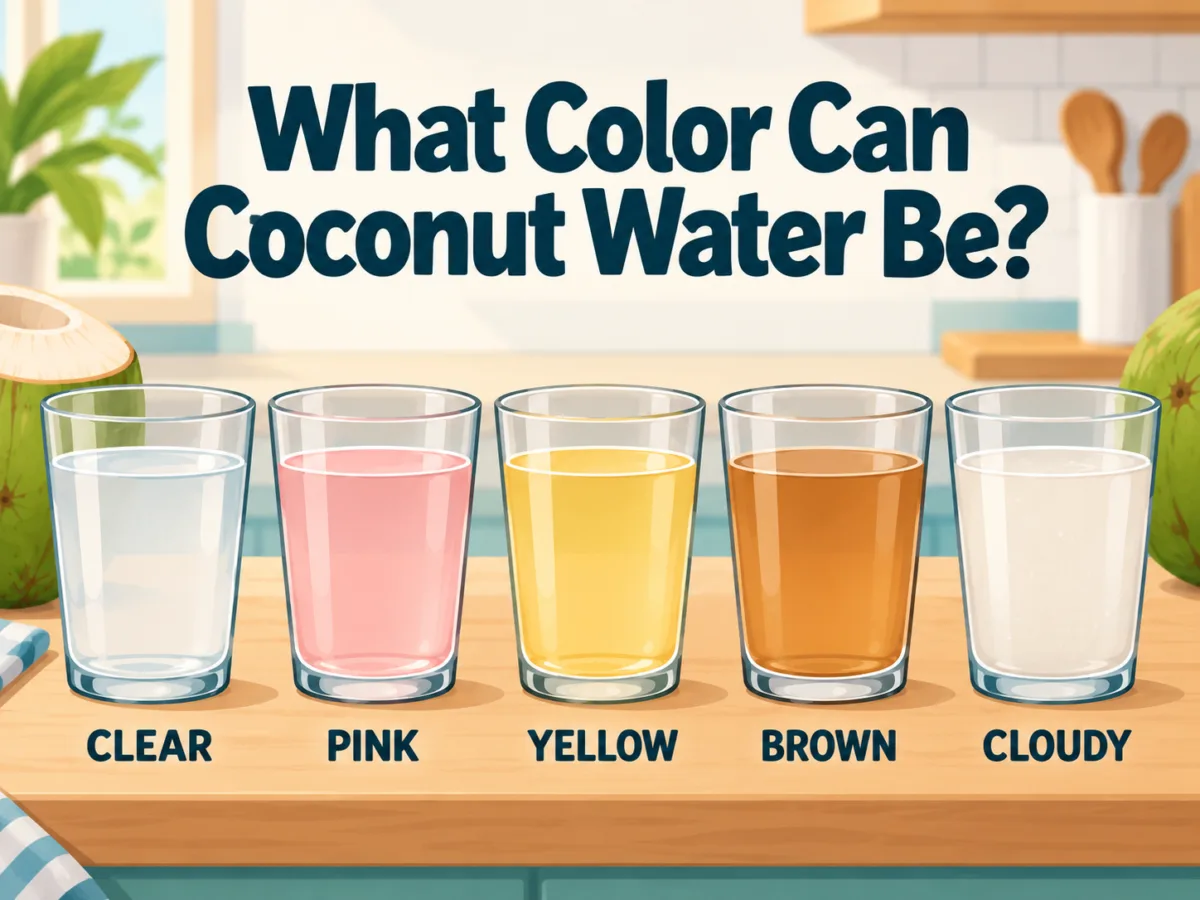
Here’s what each color might tell you about your coconut water.
| Color | Why it might look that way | What you should know |
|---|---|---|
| Clear | Its usual appearance when fresh. | Looking clear doesn’t guarantee it’s safe. |
| Pink | Natural compounds can react and create a pink tint. | Normal for some bottled brands. It doesn’t automatically mean spoilage. |
| Yellow | Heat, oxygen or storage can affect its color. | May be a processing effect rather than a sign it’s gone bad. |
| Brown | Browning reactions or deterioration may darken it. | Unexpected brown water from a fresh coconut is a reason to discard it. |
| Cloudy | Tiny particles or storage changes can affect clarity. | A slight haze may be normal, but new cloudiness deserves caution. |
These differences aren’t just guesses. Research on coconut water processing and storage has documented changes in color and cloudiness under different treatment and storage conditions.
The important distinction: A color that’s normal for one coconut water product may be unexpected in another.
Why Is Some Coconut Water Pink While Other Brands Keep It Clear?
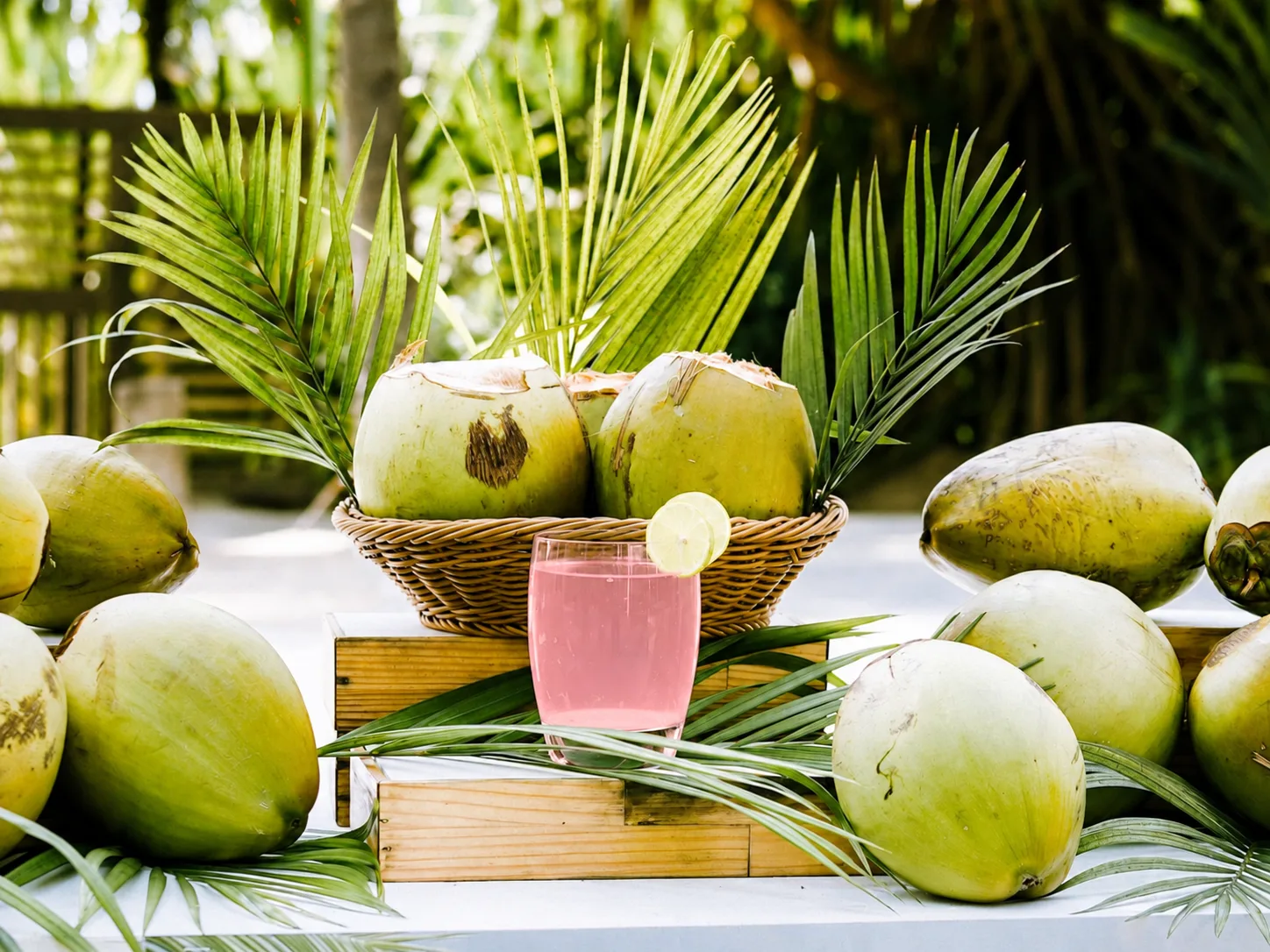
Ever noticed how some bottled coconut water is pink while others are perfectly clear?
Take Harmless Harvest, or example. Its coconut water starts clear but can naturally turn pink over time. Researchers have studied this pink discoloration, which can happen when natural compounds in coconut water react.
Other brands use different processing methods that help keep their coconut water clear.
So, is pink coconut water better? Not necessarily. Pink doesn’t automatically mean it’s healthier, and clear doesn’t mean it’s fresher.
The difference may have more to do with how the coconut water was processed and stored than its quality.
When Should the Color of Coconut Water Worry You?
The answer depends on where the coconut water came from and what happened to it.
Fresh from a coconut: Expect clear or nearly colorless water. If it’s unusually dark, discolored or smells strange, then it is a good chance it might be bad.
An unopened bottle: Some brands naturally have pink or slightly cloudy coconut water. Check the label or manufacturer’s guidance to see whether that appearance is expected.
A bottle you’ve already opened: Pay attention to unexpected changes. If the water was clear yesterday but looks cloudy or discolored today, consider how it was stored.
Once opened, coconut water can be exposed to contamination. That’s why following the label’s refrigeration and storage instructions matters.
The same pink, yellow or cloudy appearance may mean something different depending on the situation.
How Can You Tell if Coconut Water Has Gone Bad?
Color isn’t a reliable test on its own. Other warning signs include:
- An unpleasant or unusual smell.
- Unexpected fizzing or gas.
- Swollen, leaking or damaged packaging.
- A sudden, unexplained change in color or cloudiness.
- Improper storage or refrigeration.
If you suspect spoilage, throw the coconut water away. Don’t taste it to check.
One thing worth remembering: Clear coconut water isn’t automatically fresher or safer than pink or slightly cloudy coconut water. What matters is whether its appearance is normal for that product and how it’s been handled.
