
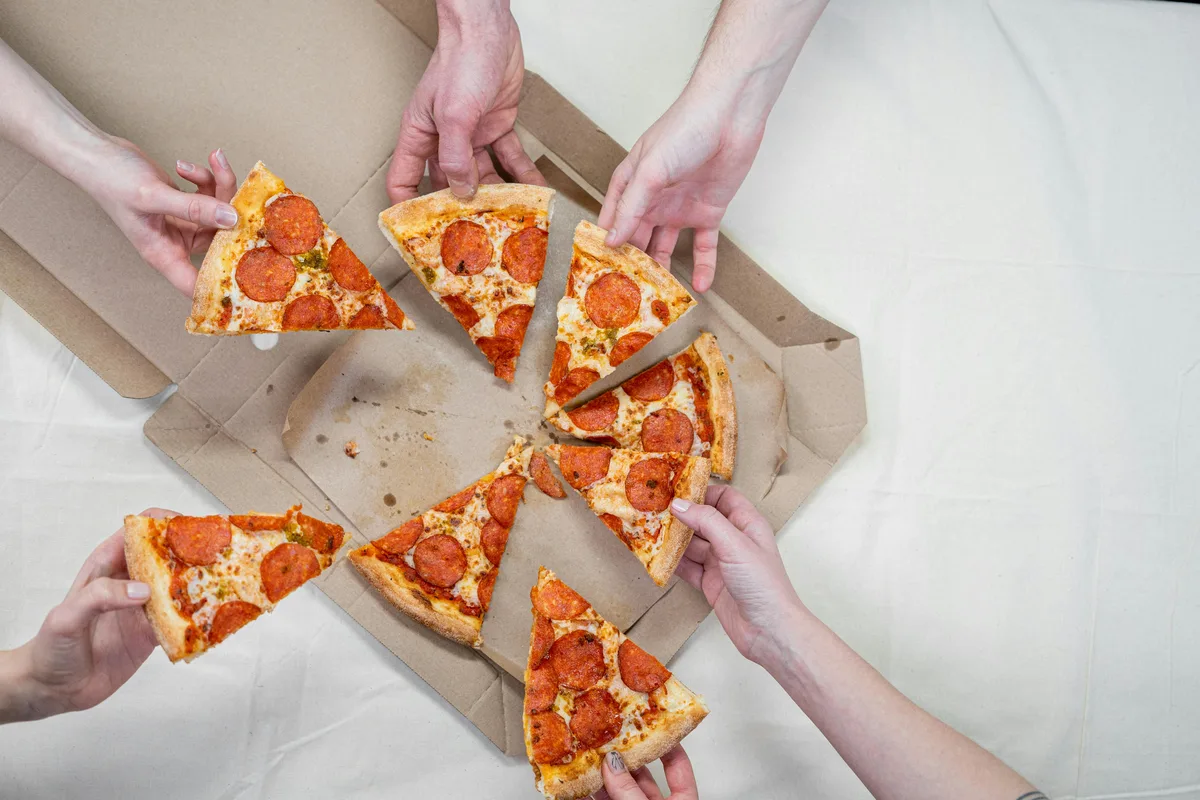
You’ve done the math. You’ve counted heads, calculated slices, and figured out exactly how many pizzas you need.
But here’s the question nagging you: Is it enough?
Because pizza math assumes everyone eats exactly what you planned, and that almost never happens.
Here’s the simple rule that keeps you from running out.
| Group Size | Extra Pizzas to Add |
|---|---|
| 1–15 people | +1 pizza |
| 15–30 people | +1–2 pizzas |
| 30–50 people | +2–3 pizzas |
| 50+ people | 1 extra pizza per 10 guests |
This assumes you’re ordering standard large pizzas. If you’re choosing a different size, double-check how many slices come in each pizza before finalizing your count.
That’s it. That’s the cushion.
And here’s why that one extra pizza makes all the difference.
Why You Almost Always Need One Extra Pizza
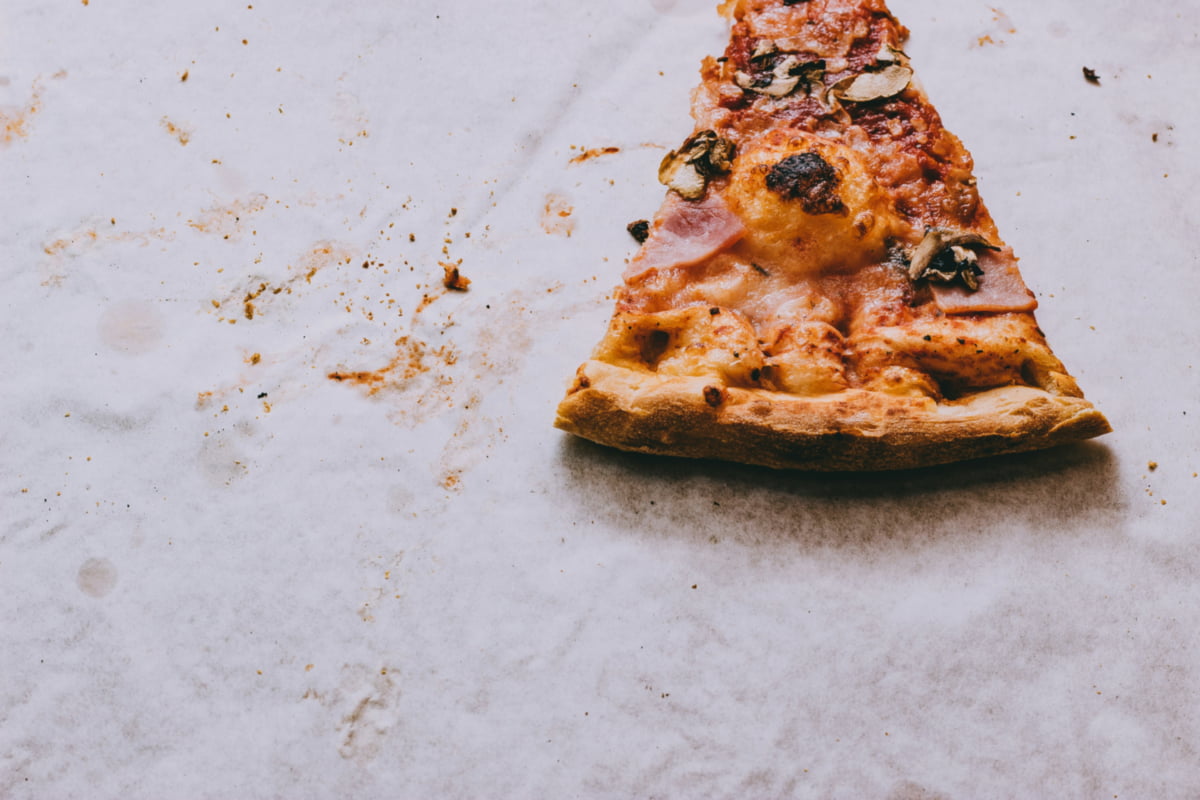
Your numbers might look perfect on paper, but real-life appetites don’t follow a plan.
Even if you used a calculator, small changes in behavior can throw everything off:
- The “One-Slice” Problem: If just three guests grab one extra slice, that’s an entire pizza gone.
- Surprise Appetites: That friend who “wasn’t that hungry” suddenly realizes they’re starving.
- The Vanishing Favorites: People don’t eat proportionally. Cheese and pepperoni disappear first, leaving the less popular options behind.
- Late Arrivals: People show up after you thought everyone was accounted for.
The fact is, it only takes one small miscalculation to run out. And when you run out, everyone notices.
That extra pizza isn’t overkill, it’s protection.
When You Can Skip the Extra Pizza
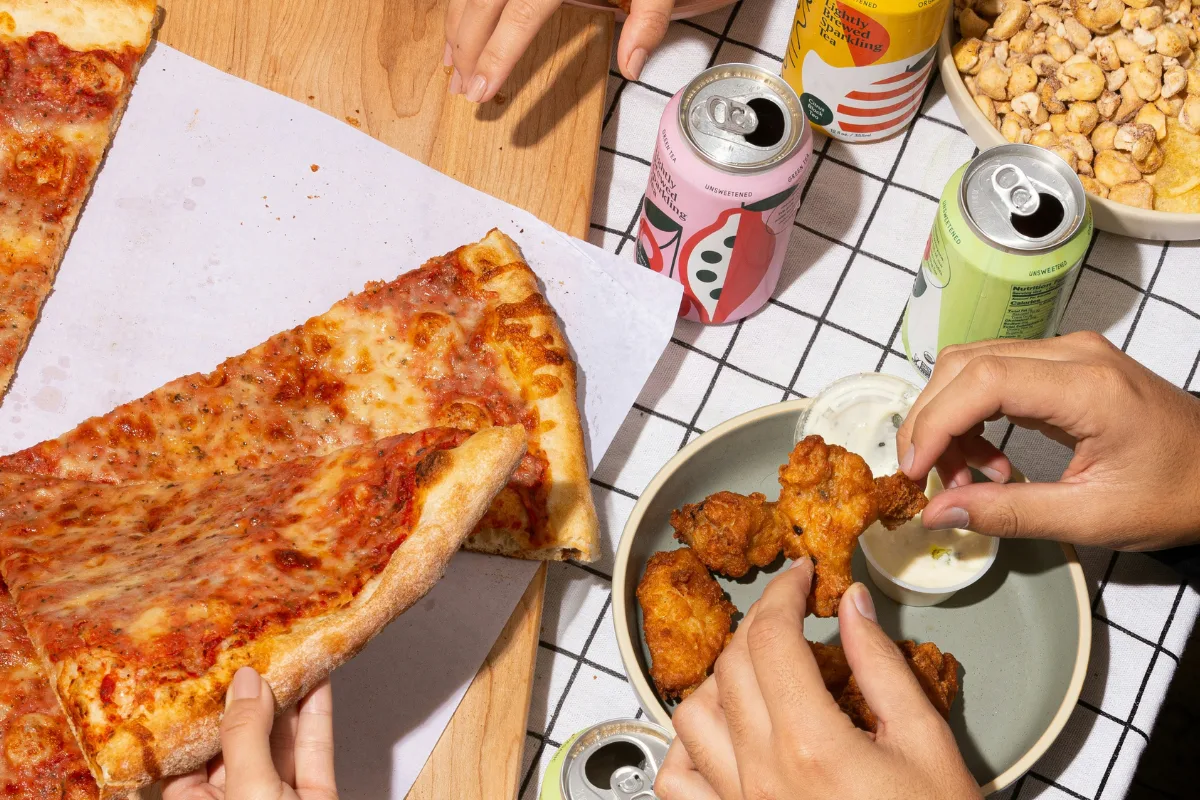
You don’t always need a buffer. You’re probably fine without one if:
- It’s a full meal: You’re serving heavy sides like wings, pasta, or a big salad.
- Short events: The party is only 1–2 hours long (people won’t go back for “seconds”).
- Mostly small children: Groups of kids under six usually max out at 1-2 pizza slices.
- Strict RSVPs: You have a confirmed head count and no “plus-ones.”
- Sit-down dinners: When guests are seated and served, they eat significantly less than they do at a buffet.
If two or more of those apply, you can likely stick to your base number.
When One Extra Pizza Isn’t Enough
Sometimes, one extra pizza isn’t a buffer, it’s a drop in the bucket. Add 2–3 extra pizzas (or more) when you’re dealing with:
- The Teenager Effect: If you have teens or athletes in the house, standard calculations are basically polite suggestions. They will eat until the food is gone.
- Open house / drop-in format: People coming and going means unpredictable timing
- Long Events: If the party goes 3+ hours, guests will hit a “second wind” and start grazing again.
- Late-Night Gatherings: Pizza hits differently after 9:00 PM. People eat more.
- Mixed-Age Crowds: The unpredictability of toddlers vs. hungry adults makes a larger buffer essential.
If you’re unsure, round up again. Nobody has ever complained about having slightly too much pizza.
Leftover pizza becomes a glorious breakfast. Running out becomes a problem.
Not Sure How Many Pizzas You Need Total?
Hold up, the buffer only works if your base number is correct.
Before you place your order:
- Calculate your total pizzas.
Use our Pizza Party Calculator to get your base number in seconds. - Double-check your pizza size.
Not all pizzas are created equal. If you’re deciding between sizes, read our breakdown of 2 medium pizzas vs 1 large to make sure you’re getting the most slices for your money. - Then add your buffer.
Once your total is locked in, come back to the chart at the top of this page and add your extra pizza (or two).
Planning a bigger event? Browse our complete Pizza Planning Hub for every guide in one place.
