
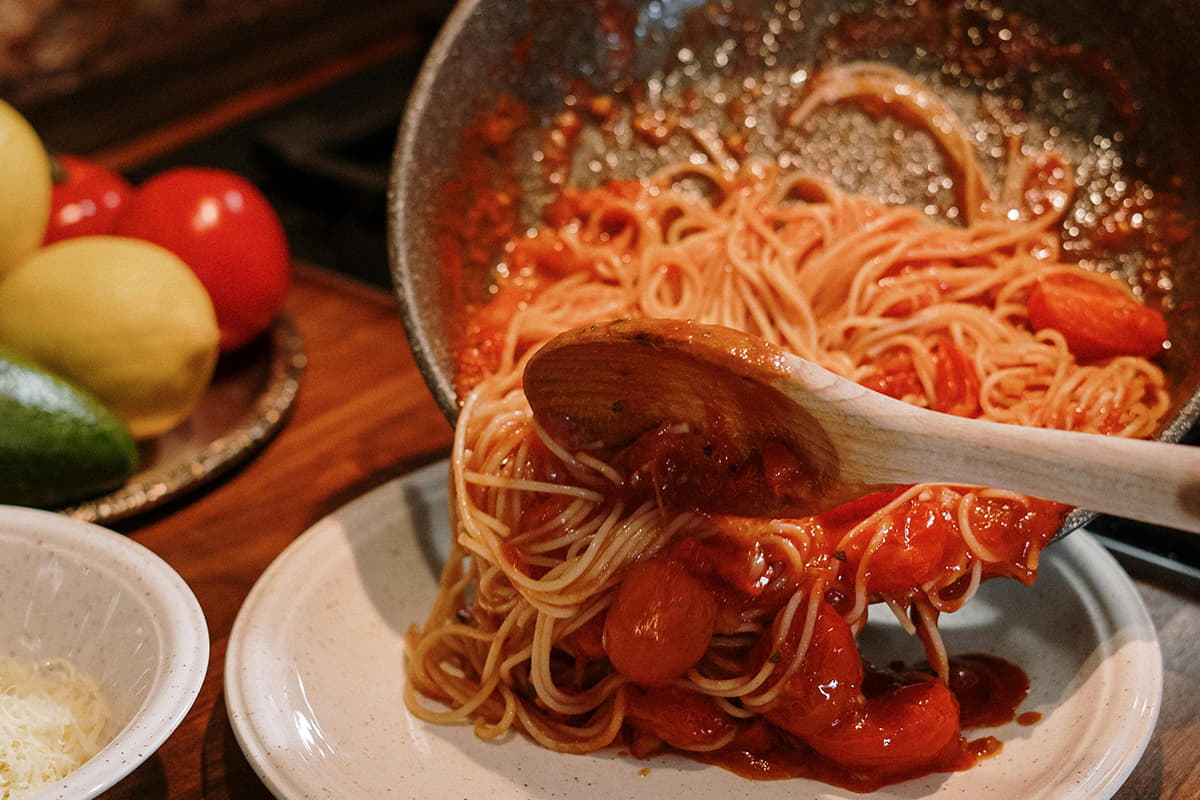
Reheating pasta matters because day-old pasta is sneakily delicious. The noodles soak up the sauce overnight, the flavors deepen, and suddenly yesterday’s quick dinner tastes richer than when it was fresh.
But it only works if you reheat it the right way, gently, with added moisture, and based on the type of sauce. Creamy, tomato, pesto, baked… each one needs a different touch.
Below, you’ll get the exact methods that revive every kind of leftover pasta without drying it out, breaking the sauce, or ruining the texture.
Why Pasta Leftovers Go Wrong (And How to Fix Them)
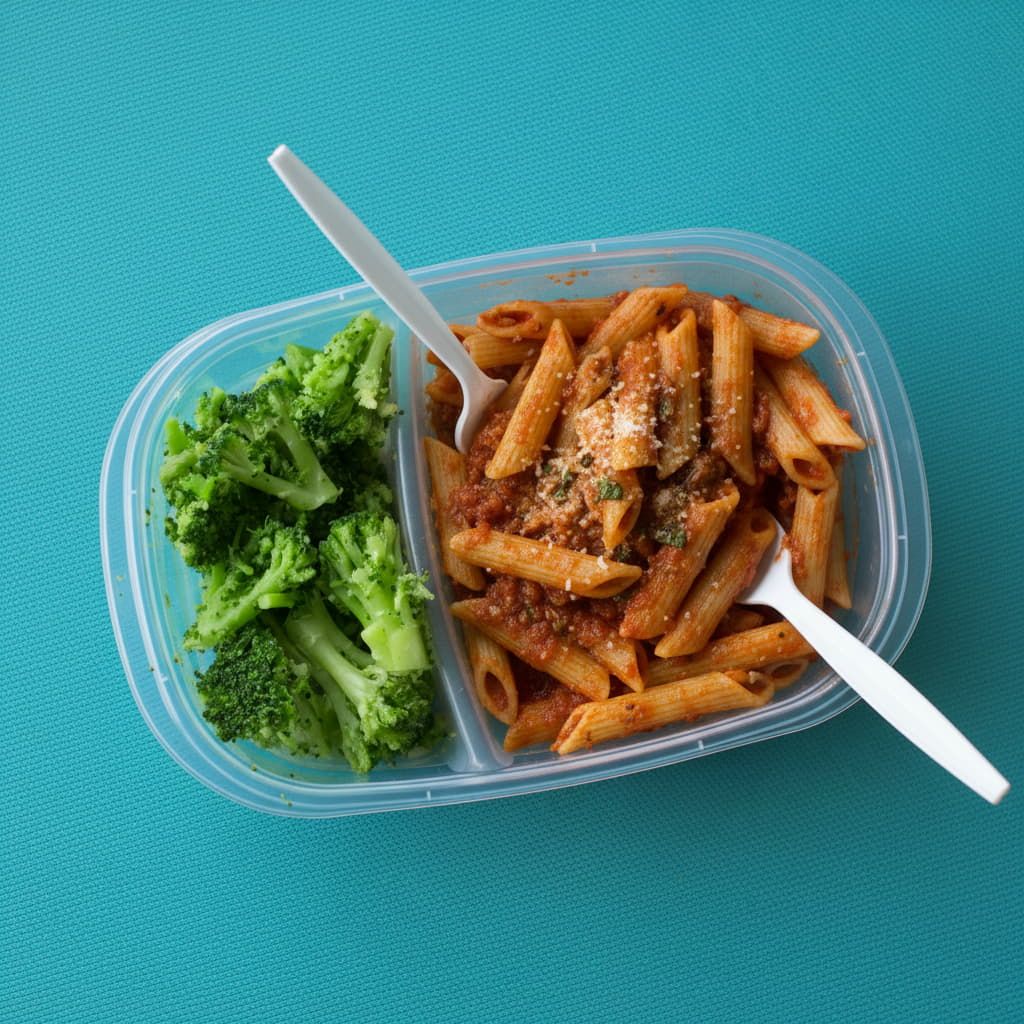
Before jumping into methods, grasp the basics. Pasta isn’t just noodles; it’s a starch bomb that absorbs sauces overnight, leading to dryness, clumping, or separation. Here’s the science in simple terms:
- Starch Retrogradation: As pasta cools, its starches recrystallize, making it firm and dry. Reheating reverses this with gentle heat and moisture.
- Sauce Emulsions: Creamy or oily sauces are delicate mixtures of fat and water. High heat breaks them, causing oiliness or curdling.
- Moisture Loss: Fridge air sucks out water, so always add liquid back in – pasta water is gold because its starches help sauces bind.
Key Prep Tips:
- Store pasta in airtight containers to minimize drying.
- Separate sauce from noodles if possible for longer storage (up to 3-5 days).
- Portion leftovers individually to avoid repeated reheating, which degrades quality.
Common Mistake: Reheating straight from the fridge without thawing or adding moisture, this leads to uneven heating and texture disasters.
Essential Tools and Techniques for Perfect Pasta Reheating
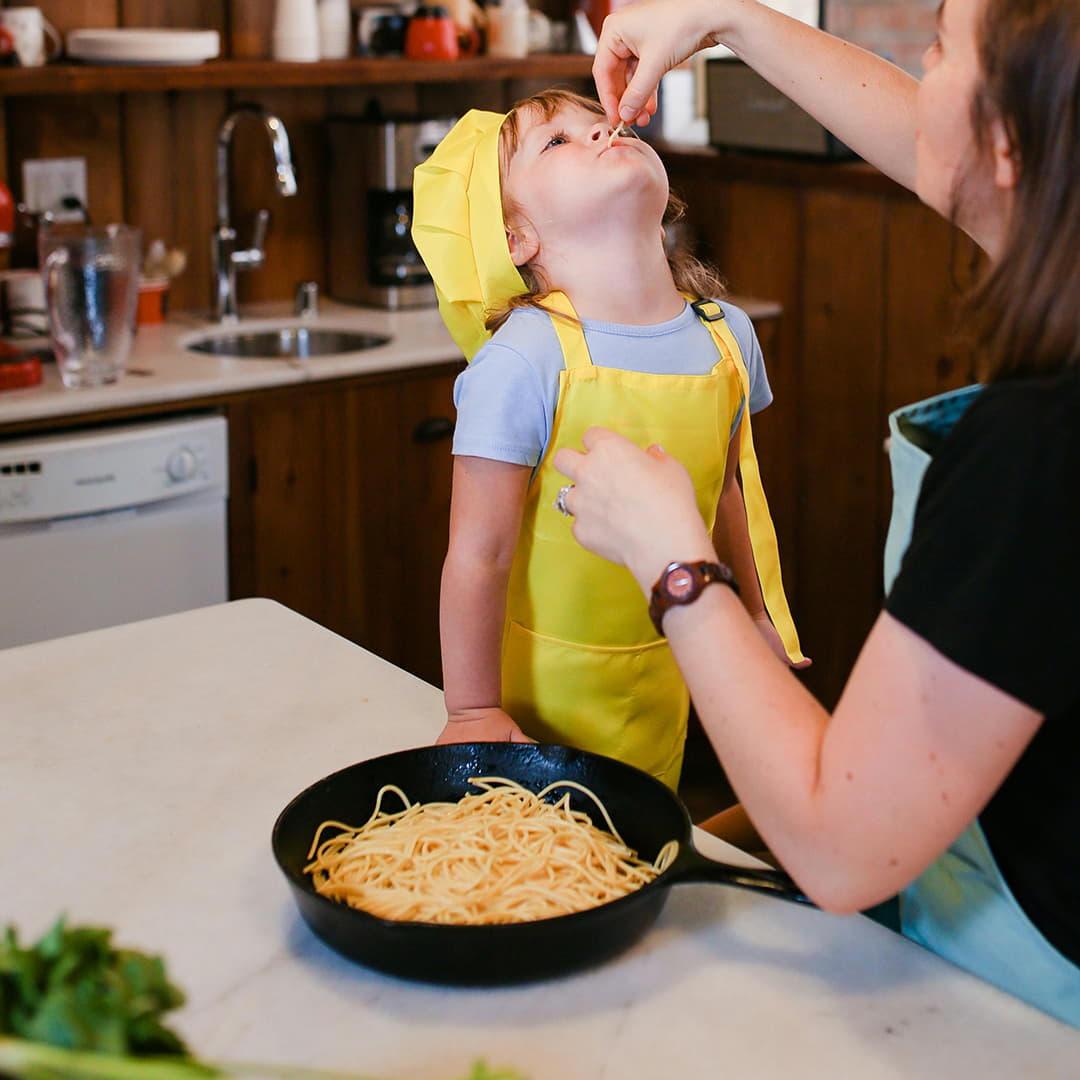
You don’t need fancy gear, but I’ve found that the right tools make a difference. Here’s what pros use:
- Skillet or Saucepan: Best for control; non-stick prevents sticking.
- Microwave-Safe Bowl with Lid: For quick jobs; vent the lid to let steam escape.
- Oven or Sheet Pan: Ideal for bulk or baked pastas.
- Add-Ins: Reserved pasta water, milk/cream, butter/oil, or broth – keep these on hand.
- Thermometer (Optional): Aim for 165°F (74°C) internal temp for food safety without overcooking.
General Technique Rules:
- Always start low and slow to avoid shocking the ingredients.
- Stir frequently to distribute heat.
- Test a small portion first if experimenting.
Pro Hack: If your pasta is extra dry, blanch it briefly in boiling water (10-20 seconds) before reheating – this rehydrates without sogginess.
Reheating Pasta by Sauce Type: The Trick I Wish Someone Told Me Years Ago
The biggest mistake I see people make is reheating every pasta the same way. I did it too, until I realized the sauce is the real boss here. Treat it right, and your day-old pasta suddenly tastes… kind of amazing.
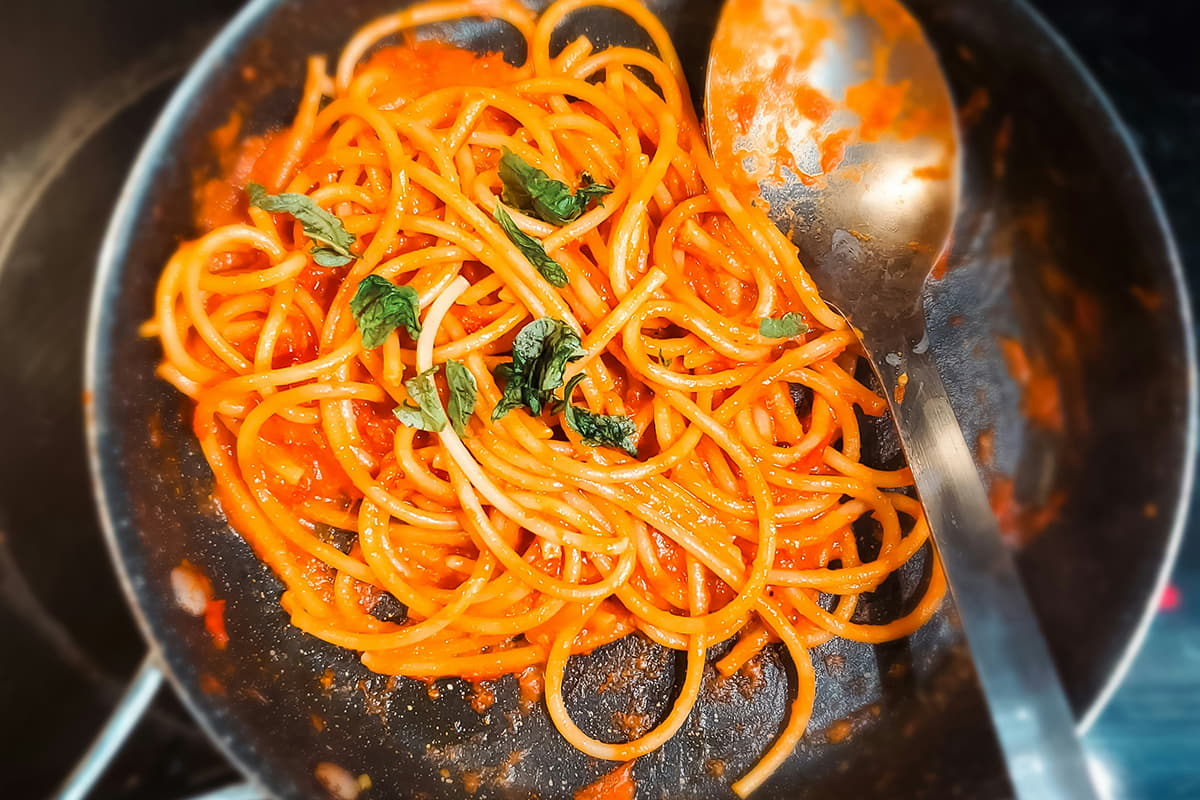
Tomato-Based Sauces (Marinara, Arrabbiata, Bolognese, Pomodoro)
Tomato sauces are resilient thanks to their acidity (pH around 4-5), which stabilizes textures and prevents bacterial growth faster than neutral sauces.
Best Methods:
- Skillet: Cold pasta straight into the pan and heat 1-2 tbsp water or broth over medium-low, stir for 2-3 minutes until saucy. Add fresh herbs like basil at the end for brightness.
- Microwave: 30-45 seconds bursts at 70% power, stirring each time. Cover with a damp paper towel for steam.
- Oven Variation: For baked versions, cover and warm at 325°F (163°C) for 10-15 minutes.
Avoid: High heat, which evaporates water and concentrates sugars, leading to scorching or bitterness.
Troubleshooting: If too thick, thin with tomato juice or stock. If bland, boost with a pinch of sugar or red pepper flakes.
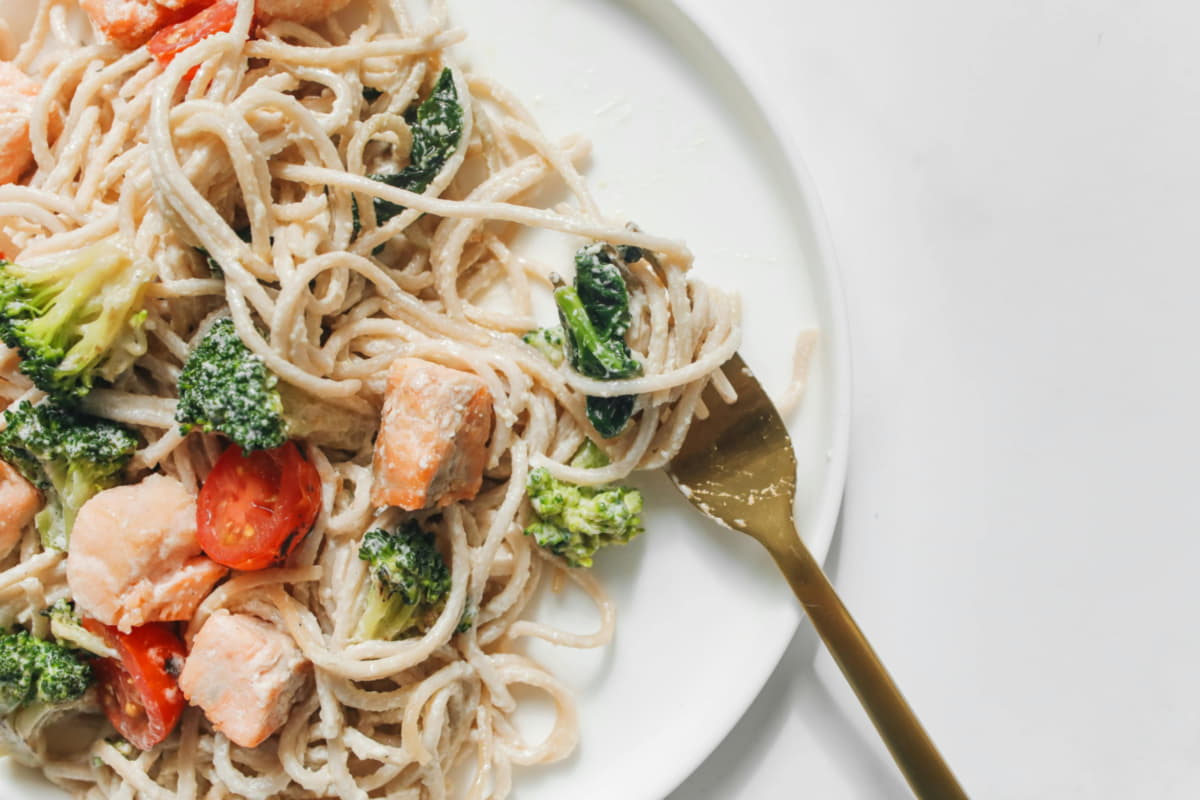
Cream-Based Sauces (Alfredo, Carbonara, Vodka Sauce, Bechamel)
Creamy pasta sauce are emulsions; fat globules suspended in water. Heat above 140°F (60°C) can break them, leaving you with a greasy, separated sauce..
Best Methods:
- Skillet: Add the creamy pasta to a low heat with 1-2 tbsp cream, milk, or pasta water. Stir constantly for 3-5 minutes until emulsified. For carbonara, add an egg yolk off-heat for extra silkiness.
- Double Boiler Hack: Place bowl over simmering water for ultra-gentle warming, perfect for delicate sauces.
- Microwave: Only at 50% power in 20-second intervals, adding moisture and stirring vigorously.
Avoid: Direct high heat or microwaving without liquid, it denatures proteins in dairy, causing separation.
Troubleshooting: If it breaks, whisk in cold butter or cream off-heat to re-emulsify. Prevent future issues by storing with a layer of plastic wrap on the surface.

Oil-Based Sauces (Pesto, Aglio e Olio, Chili Crisp, Herb Oils)
Oil-based sauces are delicate. They don’t cling the same way creamy or tomato sauces do, and if you crank the heat, the oils separate and the flavors go flat,or even bitter. With these pasta dishes, the trick is warming, not cooking.
Best Methods:
- Room-Temp Revival: Let the pasta sit for 15-20 minutes, then toss with fresh olive oil or pesto. Ideal for basil-heavy pestos to preserve vibrant color.
- Skillet: Very low heat (under 200°F/93°C) for 1-2 minutes, stirring gently. Add garlic or chili flakes for flavor punch.
- Cold Refresh: For summer pestos, skip heat altogether and mix with room-temp ingredients.
Avoid: Any microwaving, it superheats oils, degrading flavors (e.g., pesto’s basil turns brown from enzyme reactions).
Troubleshooting: If separated, drain excess oil and re-dress with fresh. Store in glass jars to minimize air exposure.
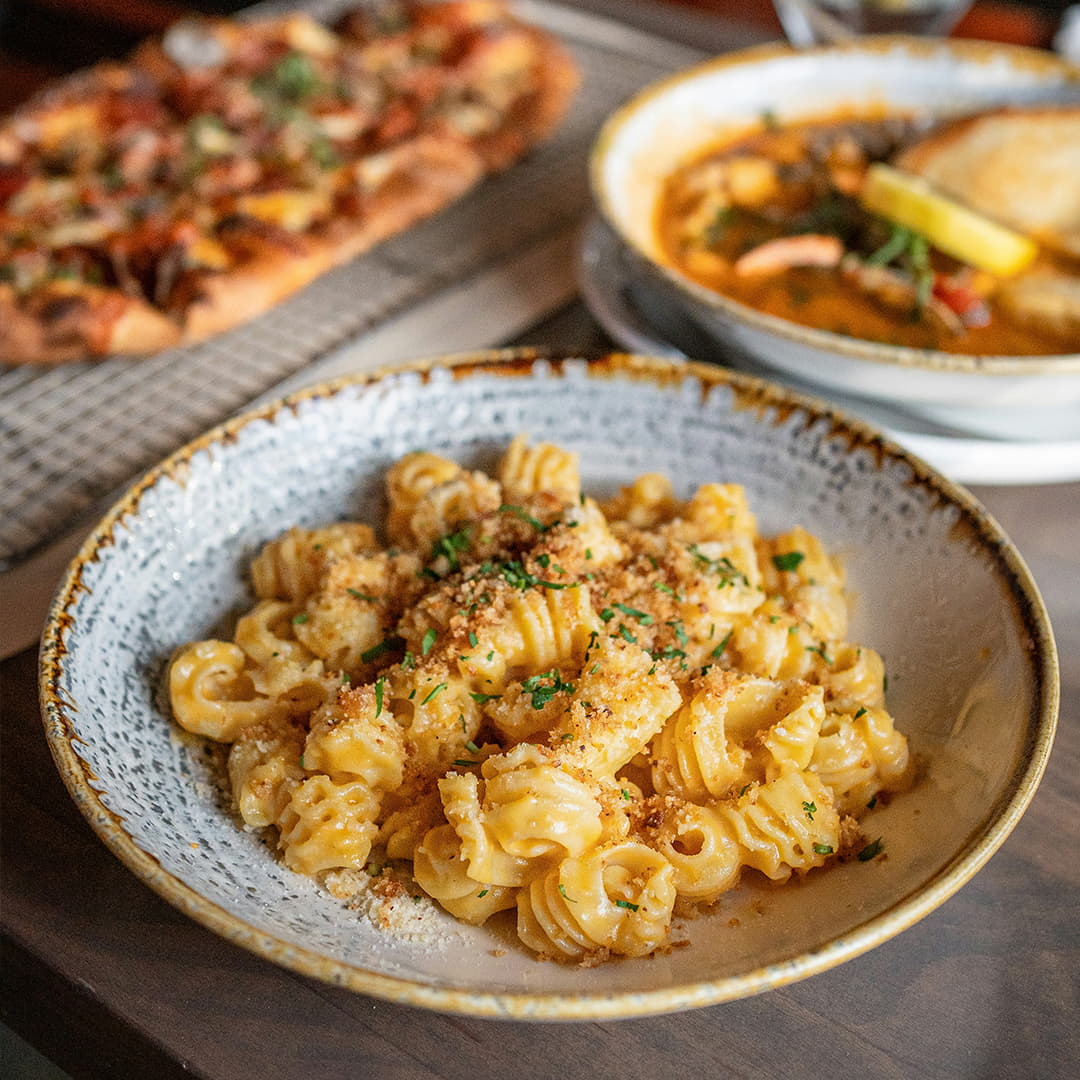
Cheese-Heavy Sauces (Mac & Cheese, Four Cheese, Cacio e Pepe, Rosa)
Cheesy pastas are amazing when they’re hot… and stubborn once they cool. As cheese sets, the proteins tighten and the sauce turns stiff or clumpy. A little added dairy (milk, cream, or even pasta water) helps loosen everything back into a smooth, creamy sauce.
Best Methods:
- Microwave: Add 1-2 tbsp milk/cream, heat at 50% power for 30 seconds, stir, repeat.
- Skillet: Low heat with milk or water, stirring until gooey. For cacio e pepe, use pasta water for its starch.
- Oven for Baked: 300°F (150°C) covered, with added cheese on top for a crispy finish.
Avoid: Dry reheating – it leads to rubbery clumps as fats solidify unevenly.
Troubleshooting: If stringy, add a touch of acid (lemon juice) to smooth it out. For extra creaminess, blend in cream cheese.
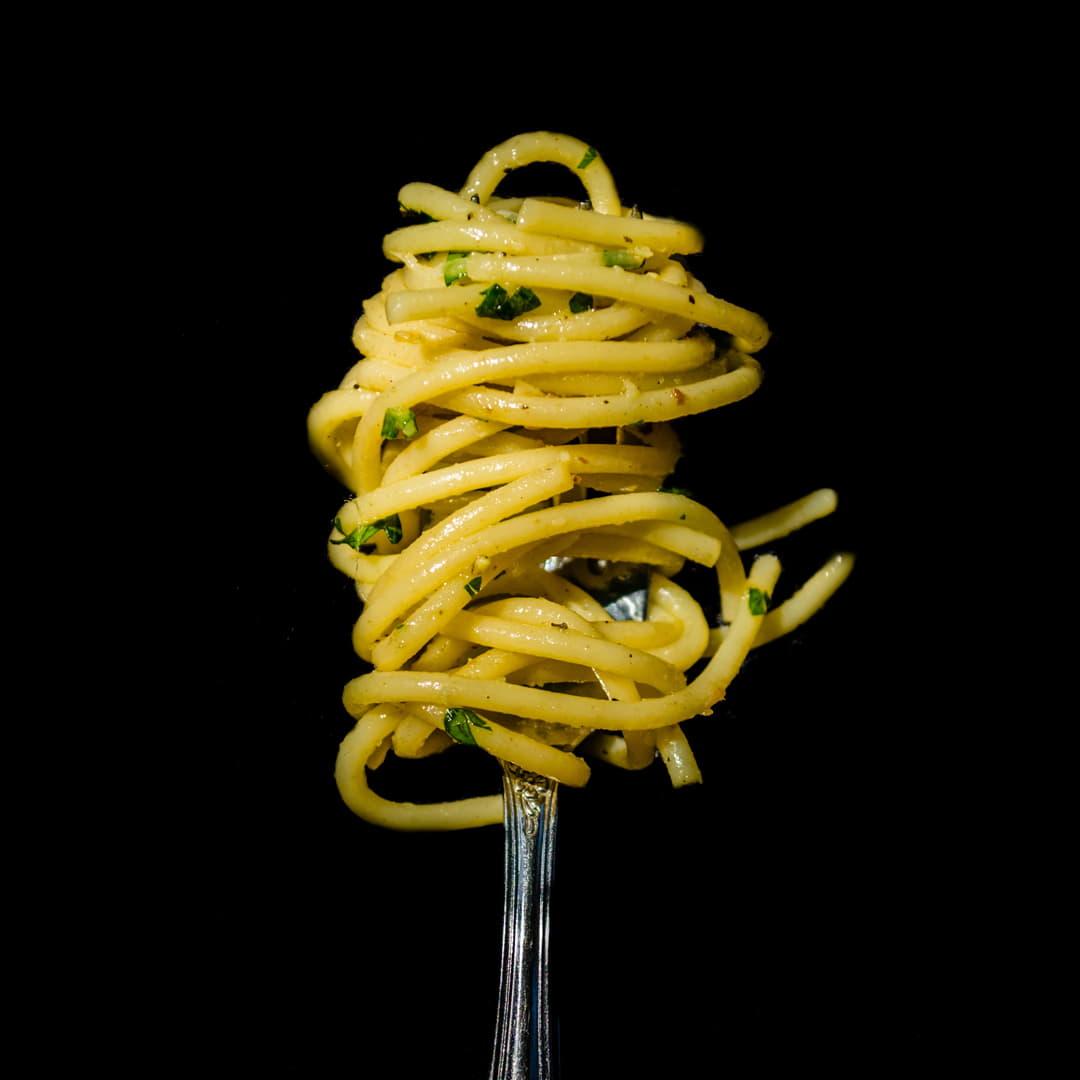
“Dry” or Minimalist Pastas (Butter Noodles, Olive Oil Pasta, Pantry Staples like Garlic Bread Pasta)
No sauce means no emulsion worries, but starch drying is amplified.
Best Methods:
- Skillet: Quick warm with 1 tbsp butter/oil per serving, plus seasonings like garlic powder or herbs.
- Boil Refresh: 10-second dip in hot water, then toss with fats.
- Air Fryer Twist: 350°F (177°C) for 3-5 minutes with oil spray for crisp edges.
Avoid: Overheating without fat, it turns pasta into cardboard.
Troubleshooting: If bland, elevate with grated cheese, nuts, or veggies for a “remix” meal.
Reheating Cheat Sheet
| Pasta Dish | Best Method + Key Move | Never Do This |
| Spaghetti (any sauce) | Skillet + 1–2 tbsp water, med-low, stir 2–4 min | Microwave without stirring |
| Mac & Cheese | Skillet or 50% microwave + 1–2 tbsp milk, stir often | Full-power microwave |
| Lasagna | Oven 325°F, foil-covered, 20–35 min + water on edges | Microwave (turns to mush) |
| Fettuccine Alfredo | Skillet on very low + splash cream/butter | High heat or full-power nuke |
| Pesto Pasta | Room temp → low skillet + fresh olive oil | Microwave (pesto goes black) |
| Baked Ziti / Casserole | Oven 300°F, foil-covered + water/sauce on edges | Microwave |
| Carbonara | Ultra-low skillet + butter/cream, off-heat yolk swirl | Any high heat (eggs scramble) |
| Ravioli / Stuffed | Steam basket or low skillet + 1 tbsp water | Microwave (they burst) |
| Aglio e Olio | 20-sec skillet on lowest + fresh EVOO | Microwave |
| Cacio e Pepe | Skillet + hot pasta water, constant tossing | Microwave (cheese turns to glue) |
| Ramen / Noodle Bowls | Heat broth separately → add noodles last 30 sec | Reheat everything together |
| Vodka Sauce Penne | Skillet med-low + splash cream or pasta water | High microwave (sauce breaks) |
One quick glance at 11 p.m. and you’re golden. Save this, screenshot it, or print it and stick it on your fridge, your future hungry self will thank you.
Common Pasta Reheating Mistakes, Fixes, and Myths (That Need to Die Already)
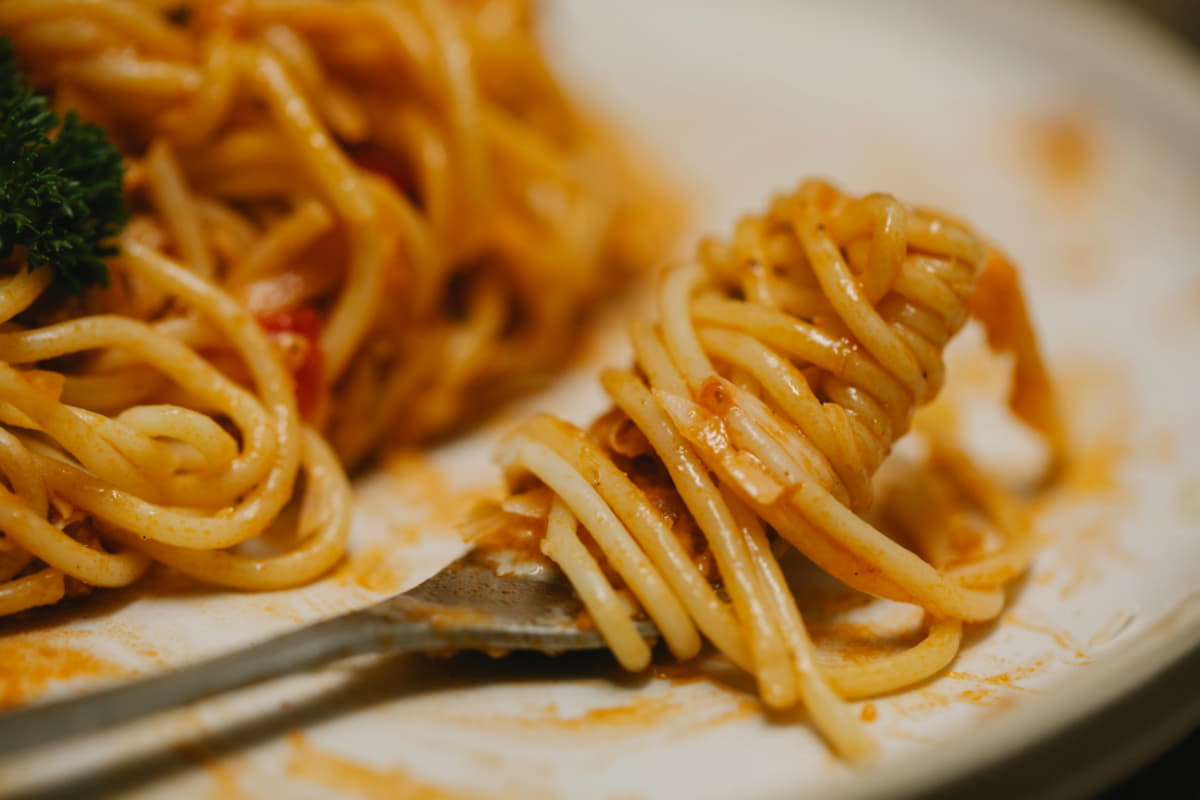
I’ve messed up reheated pasta more times than I’d like to admit, but that’s exactly how I learned what actually works. Consider this your shortcut. These are the mistakes worth ditching and the myths that seriously need to go.
- Mistake: High Heat Rush: Patience; low temps preserve textures.
- Myth: All Pasta Reheats the Same – Busted: Sauce type changes everything.
- Trouble: Mushy Noodles: Over-boiling; Fix: Shorter reheat times.
- Myth: Freezing Ruins Pasta: Proper thawing makes it great for meal prep.
Chef-Approved Tricks That Make Leftover Pasta Taste Fresh Again
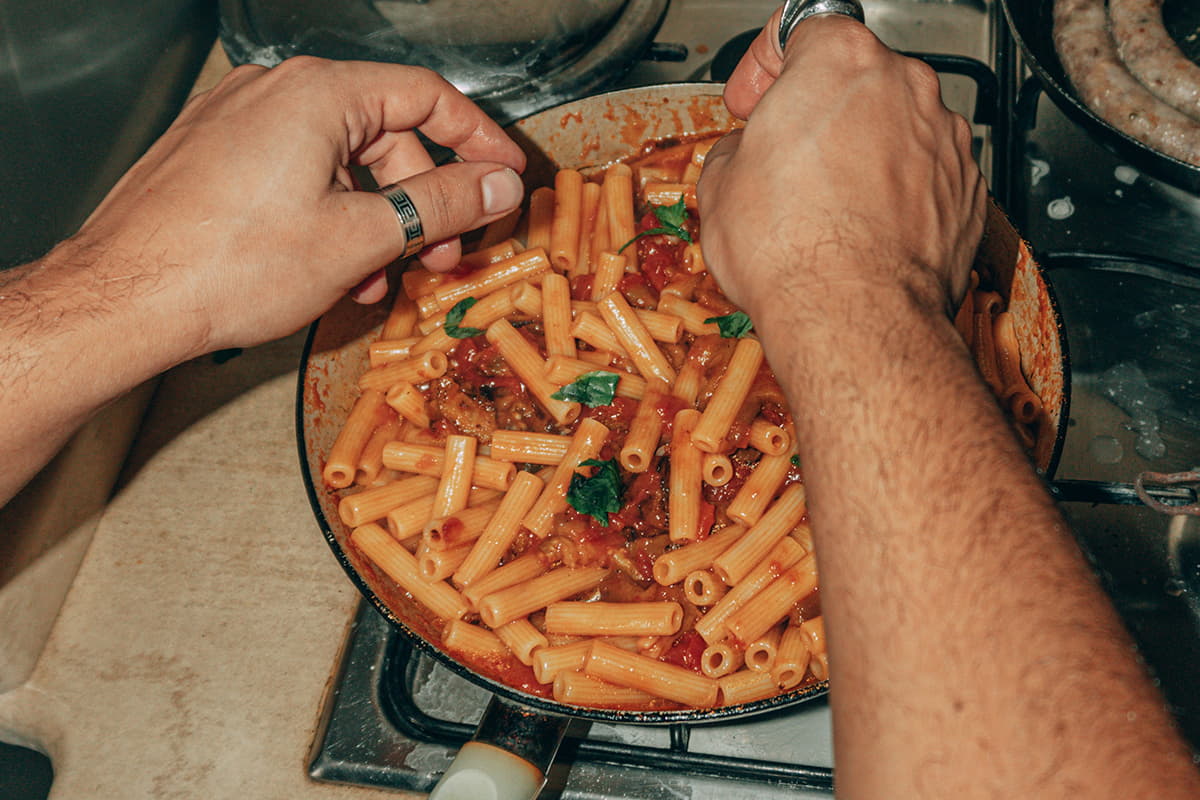
Here’s where reheated pasta goes from “good enough” to “restaurant-worthy.” These are the same finishing tricks chefs use to bring sauces back together, wake up dull flavors, and fix the texture issues that happen overnight in the fridge.
- Flavor Boosters: Grated cheese, toasted breadcrumbs, or greens for “day 2” upgrades.
- Pasta Water Magic: Its starch acts as a natural thickener/emulsifier, save 1/2 cup per batch.
- Undercook for Reheat: Al dente minus 1 min holds up better.
- Fat Revival: Always add post-reheat for shine (e.g., EVOO on oil-based).
- Microwave Hacks: Use a ring shape for even heating; add ice cube for steam.
- Pesto Protection: Basil oxidizes, add pine nuts or lemon post-heat.
- Acidity Rule: Fresh lemon/herbs after, not during, to avoid bitterness.
- Storage Pro: Flat layers in shallow containers; label with dates.
You’re Officially a Leftover Pasta Wizard
Reheating pasta isn’t hard, it just takes the right method for the sauce, the shape, and whatever chaos happened in your fridge overnight. Once you get the hang of that, day-old pasta goes from “meh” to “honestly better than yesterday.”
If you want to go deeper, I’ve got step-by-step guides for reheating mac and cheese and lasagna. They break down temperatures, timings, and the little chef tricks that make a big difference.
And if you’ve got a leftover dish you’re curious about warming up, check out my full section on reheating food properly.
