
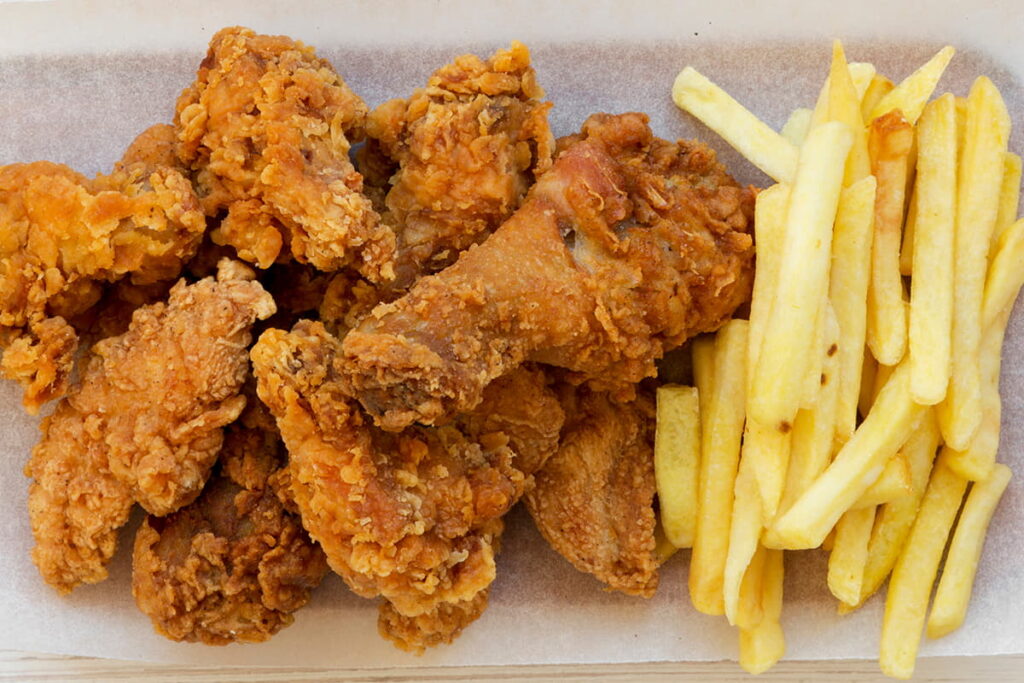
If you want to reheat fried food and actually keep it crispy, you need a plan, because random reheating never works. Fried foods are cooked with dry, high heat, and the only way to bring them back is to give them something similar.
In this guide, I’ll walk you through the methods I actually use (and have tested way too many times): air fryer, oven, skillet, and the rare moments when the microwave isn’t a total disaster.
No unrealistic “just deep fry it again” suggestions. Just simple, reliable ways to turn cold fried food back into something you actually want to eat.
Why Fried Food Loses Its Crunch
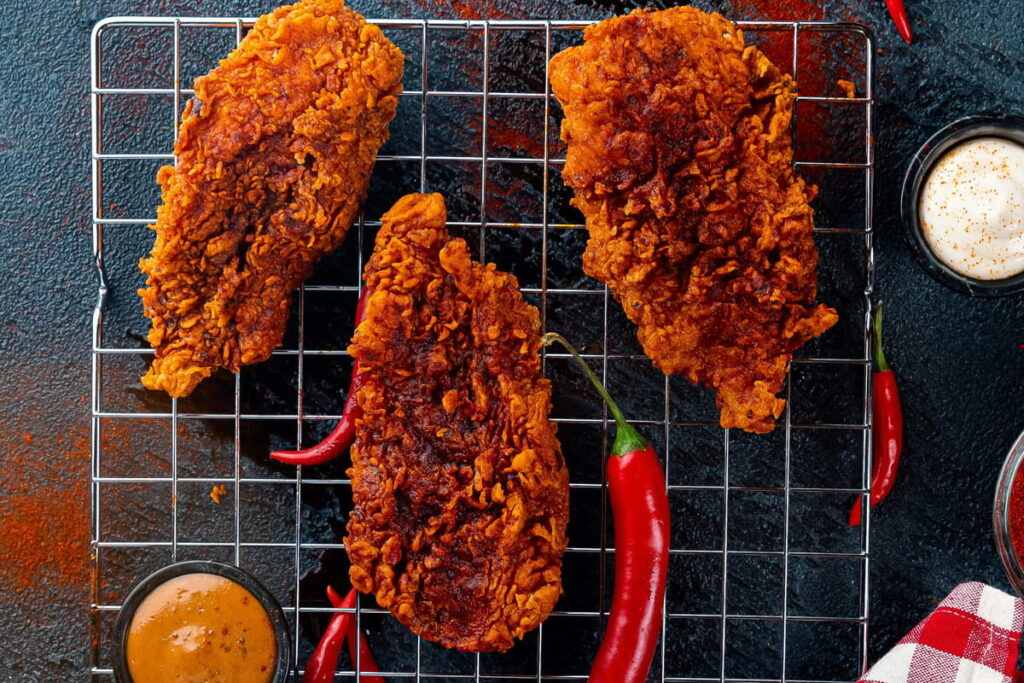
The crunch starts to fade the moment fried food cools.
As it rests, steam from the hot center pushes outward, soaking right into the crust that used to be light and shattering. By the time it hits room temperature, that once-crisp shell has started to turn heavy and a little greasy.
Refrigeration just speeds up the process, cold air makes the moisture condense and tightens the fat. The result is that dull, leathery texture you get the next day.
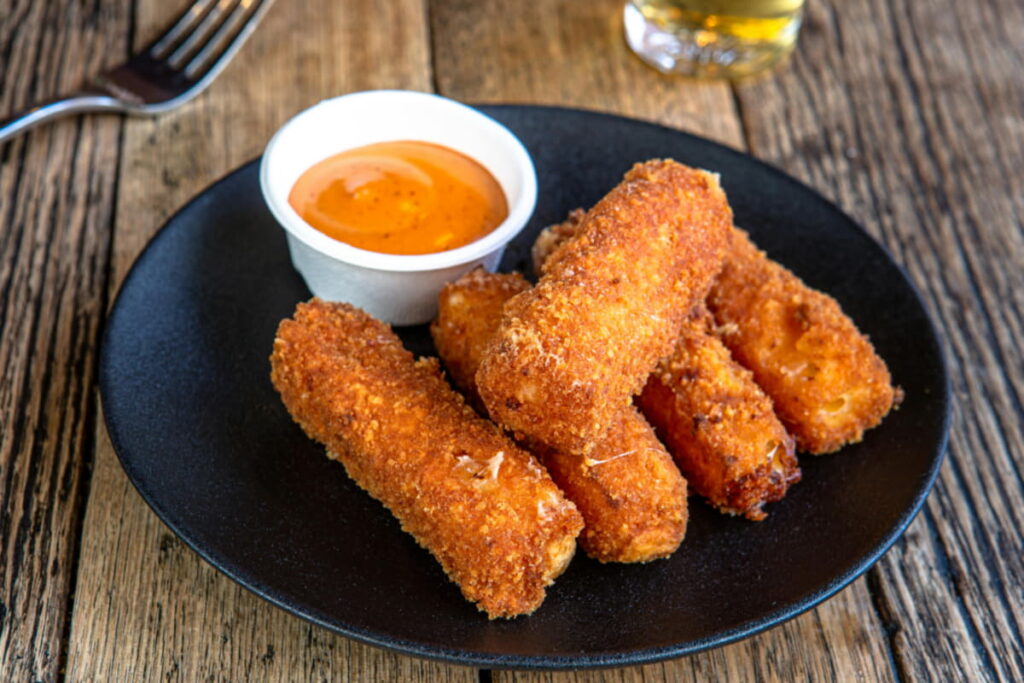
It’s not just fried chicken, either. Fries, onion rings, mozzarella sticks, they all suffer from the same curse. Steam and trapped moisture are the enemies of crunch.
The good news? Once you understand that, reheating becomes less about guesswork and more about control.
You’re not “reviving” the food, you’re gently reversing what moisture did to it.
The Common Mistakes That Ruin Reheated Fried Food (And How to Fix Them)
Before you even turn on the oven, a few small mistakes can quietly wreck your leftovers. These are the ones I see (and made) the most, and how to avoid them.
| Mistake | What Happens | Fix |
| Starting Too Cold | Cold food steams itself soggy from the inside out. | Let it sit 10–15 minutes on the counter before reheating. |
| Crowding the Pan | Steam has nowhere to escape, so everything sweats. | Give each piece space or reheat in batches. |
| Full-Power Microwaving | Uneven heating makes the crust mushy and the inside dry. | Use 30–40% power for 1 minute, then crisp it elsewhere. |
| Using Airtight Containers | Seals in moisture, the crust gets damp overnight. | Store uncovered for a bit, or use paper towels under the food. |
| Skipping the Rest | The crust re-steams itself right after reheating. | Wait two minutes before biting in, the crunch firms up as it cools. |
Please Note: When reheating whatever food, you need to ensure that that the internal temperature of meat needs to be at 165°F, where it is safe enough to eat.
The Universal Rules for Reheating Fried Food
Over time, I’ve noticed the same patterns across everything, fries, wings, tempura, chicken, even fried pickles. These rules always hold true.
- Warm first, then crisp. Don’t go straight to high heat. Let the inside wake up first, then finish hot to rebuild texture.
- Always give it air. A rack, foil balls, chopsticks, anything that lifts food off the pan helps moisture escape.
- Don’t crowd. Fried food needs space. Steam is the enemy of crunch.
- Re-season while hot. Salt, drizzle of honey, squeeze of lemon, flavor clings best to warm surfaces.
- Let it rest. Two minutes makes all the difference between soggy and shatteringly crisp.
Best Options for Reheating Fried Foods
Not everyone has an air fryer or convection oven sitting around, and that’s fine. You can still get great results no matter what’s in your kitchen.
Air Fryer (Best for fries, wings, small batches)
Reheatability: ★★★★☆
Air fryers are basically mini convection ovens, they move hot air fast, which dries the surface quickly and revives that crisp. Perfect for fries or two pieces of chicken.
How to do it:
- Preheat to 375°F.
- Arrange food in a single layer, no stacking.
- Reheat 5–8 minutes, flipping or shaking halfway through.
Pro tip: Lightly mist the food with oil before starting. It revives that just-fried aroma and adds a hint of sheen.
Oven (Best for larger batches and even crisping)
Reheatability: ★★★★★
If you’ve got time, this gives the most reliable results. The oven’s gentle heat works through the meat, then you finish with a blast to re-crisp the crust.
This is the best method for bigger items like egg rolls or a Bloomin’ Onion.
How to do it:
- Set a rack over a baking sheet (or make one from foil balls or chopsticks).
- Warm at 275°F for 10 minutes to heat through.
- Crank up to 425°F for another 5–7 minutes to crisp.
- Let rest a few minutes before digging in.
Pro tip: Sprinkle salt or drizzle hot honey right after it comes out, the heat helps it cling perfectly.
Skillet (Best for breaded foods and small portions)
Reheatability: ★★★★☆
This one’s hands-on but delivers the best flavor. You’re basically refrying it lightly, enough to revive the crunch without overdoing it.
How to do it:
- Heat 1 tbsp neutral oil (canola, vegetable, or grapeseed) over medium.
- Add food and cover for 2 minutes to warm the inside.
- Uncover and crisp each side 2–3 minutes until golden and loud.
- Set on paper towels or chopsticks to drain and stay crisp.
Pro tip: Add a drop of butter at the end for bonus flavor.
Toaster Oven (Best for quick single servings)
Reheatability: ★★★☆☆
Convenient and quick, especially for fries, nuggets, or onion rings.
Just be careful not to burn small pieces, toaster ovens run hot.
How to do it:
- Preheat to 375°F.
- Spread food in a single layer.
- Reheat 5–8 minutes, flipping halfway.
Pro tip: Lining the tray with foil and poking a few holes helps air flow under the food.
Why the Microwave Is the Enemy (and When It’s Barely Acceptable)
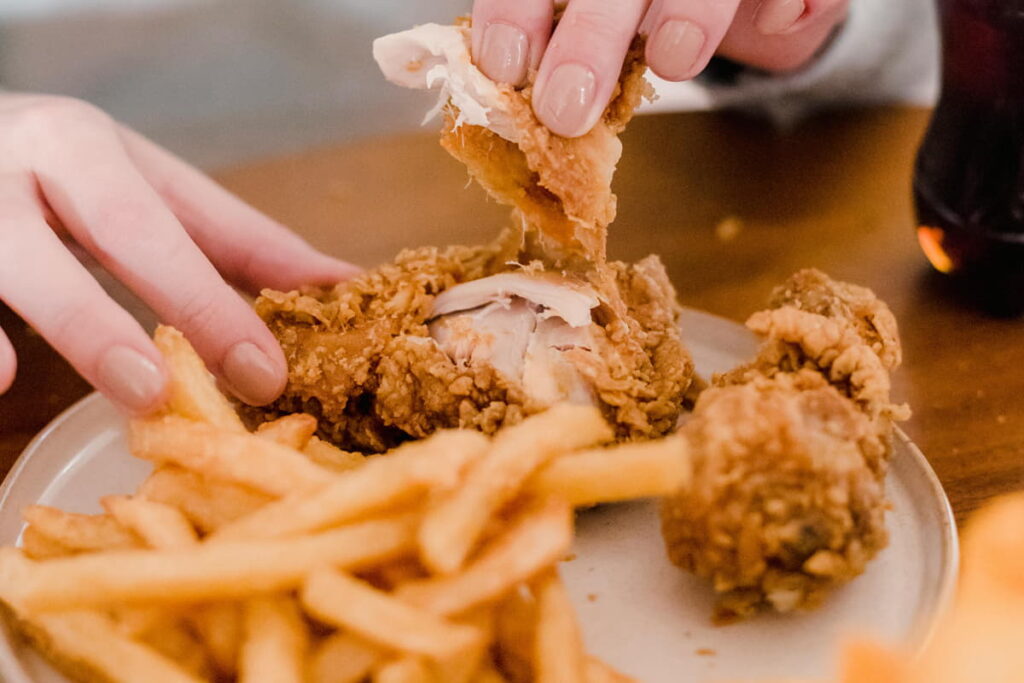
If there’s one appliance that’s never truly been a friend to fried food, it’s the microwave.
Microwaves heat by exciting water molecules, and fried food has plenty of trapped moisture under that crisp surface. When those molecules start vibrating, all that steam rushes outward, straight into your crust. That’s why a perfectly golden piece of chicken turns mushy and greasy within seconds.
So no, the microwave isn’t ideal. It’s fast, but it trades crunch for convenience every single time.
Still, there are rare moments when it’s your only option, late-night leftovers, lunch at work, or when you just don’t care about perfection, you just need it hot.
In those cases, you can manage the damage:
If you must use a microwave:
- Go low and slow. 30–40% power for 45–60 seconds to gently warm it up.
- Use paper towels underneath. They’ll absorb the grease that usually re-soaks the crust.
- If possible, finish it elsewhere. Even 3–4 minutes in a toaster oven or hot pan afterward will rescue some crispness.
But if crunch matters, skip it entirely. The microwave will always make fried food warm, not crispy.
How to Store Fried Food So It Actually Reheats Well
Good reheating starts before you reheat. How you store fried food determines whether it crisps again or dies soggy.
- Cool before sealing: Hot food in airtight containers traps steam.
- Store uncovered first: Leave it out for 30–60 minutes before refrigerating.
- Use paper towels: They absorb grease that would otherwise soften the crust.
- Skip plastic wrap: It traps moisture, use vented containers instead.
- Freeze only when cooled: Otherwise, ice crystals will destroy the texture.
The Food-by-Food Revival Chart
| Food | Best Method | Time |
| Fried Chicken | Oven | 15–20 min |
| French Fries | Air Fryer | 6–8 min |
| Onion Rings | Oven | 10–12 min |
| Wings | Air Fryer / Skillet | 8–10 min |
| Fried Fish | Oven | 12–15 min |
| Mozzarella Sticks | Oven | 7–8 min |
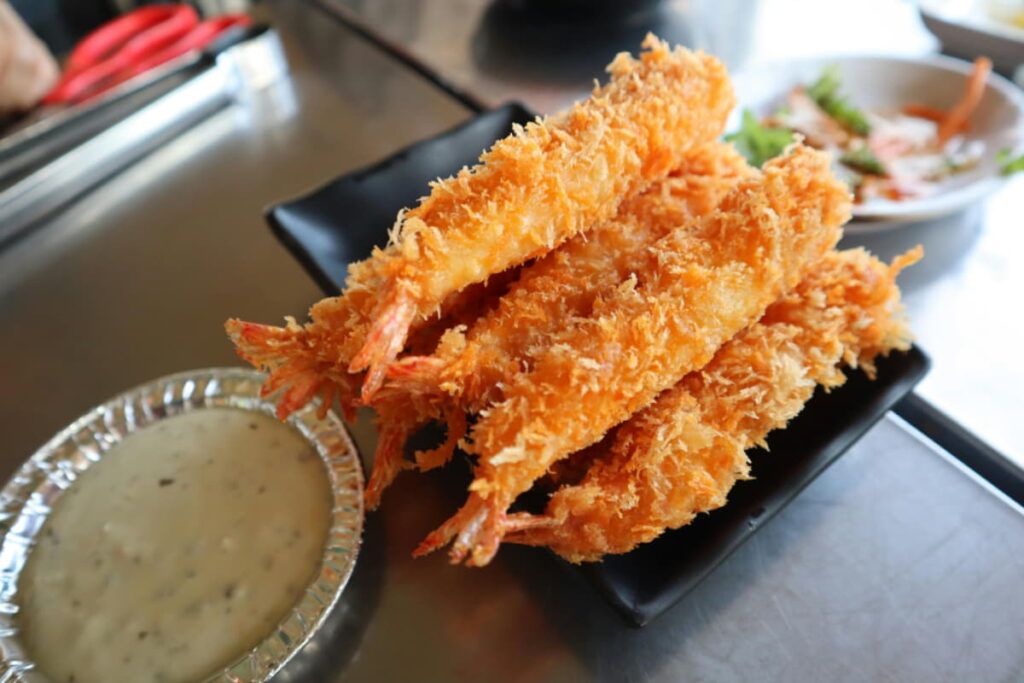
| Tempura | Skillet | 3–5 min |
When Not to Reheat (The Cold Fried Food Truth)
Sometimes the best way to “reheat” fried food is not to.
Cold fried chicken, cold fries with hot sauce, they’re their own kind of comfort.
The texture changes, sure, but the flavor deepens, and the fat firms up into something quietly satisfying.
Don’t overthink it. Some leftovers aren’t meant to be revived, they’re just meant to be enjoyed differently.
Respect Your Leftovers
After hundreds of reheats, I’ve learned it’s not really about temperature, it’s about attention.
How you store it, how you start it, and how patient you are in the middle.
Fried food will forgive a lot if you give it a little care.
And if you want to go deeper into the specifics, from chicken to fries to onion rings, you’ll find it all in my full reheating guide collection.

Great article! It saved my leftover fried fish! I’m sure I’ll refer to it in the future, too.