
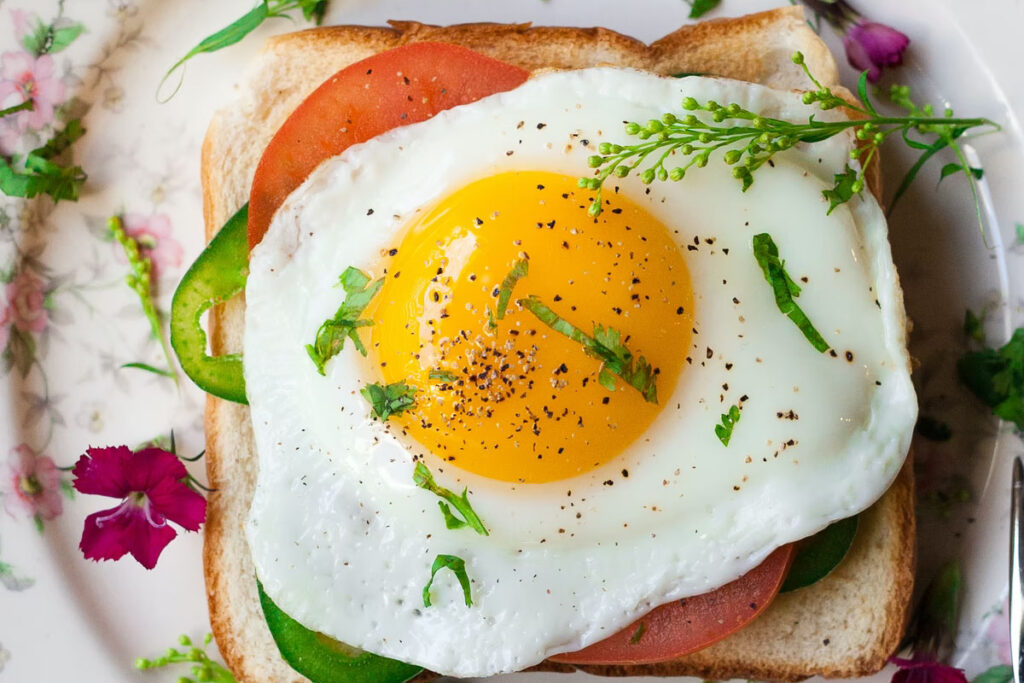
Seasoning eggs is simple, but most people do it wrong. The fix isn’t fancy spices or secret ingredients. It’s using salt properly, seasoning at the right time, and choosing the right herbs and spices without overdoing it.
Below is a clear, practical guide to the best seasonings for eggs, including the spices and herbs that actually work, whether you’re making scrambled, fried, or boiled eggs.
The Basics: How to Season Eggs Properly
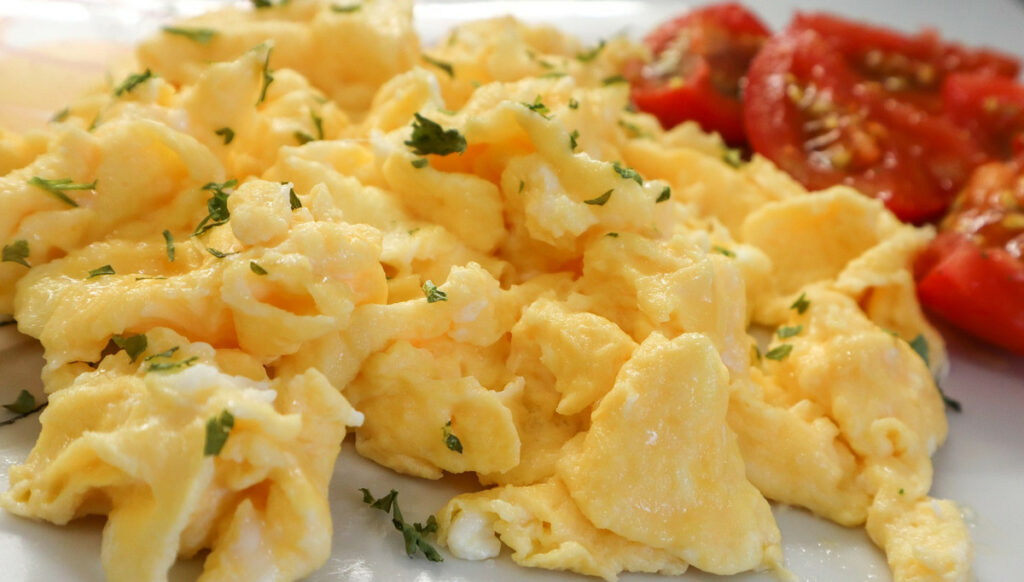
Before we get into cumin, dill, and cayenne, it’s worth getting the fundamentals right. Most disappointing eggs aren’t ruined by the wrong seasoning, they’re ruined by when and how that seasoning is added.
Nail this, and almost any spice will taste better on eggs.
When to Season Eggs: Timing Is Everything
When people ask when to season eggs, they’re usually talking about salt.
Most herbs and spices are more flexible, but salt affects egg texture, which is why timing matters.
Use this as a general rule:
| Egg Style | When to Season | Why It Works |
| Scrambled eggs & omelets | Before cooking | Salt dissolves into the eggs and helps them cook up tender and evenly seasoned. |
| Frittatas & quiches | Before baking (finish after) | Seasoning the mixture flavors the eggs throughout; a light finish adds freshness. |
| Fried eggs | After cooking | Salting too early can draw out moisture and affect the whites. |
| Poached eggs | After cooking | Keeps the whites delicate and prevents excess water release. |
| Boiled & hard-boiled eggs | After cooking | These eggs need surface seasoning for flavor. |
Other seasonings: Most spices can be added during cooking, while delicate herbs are best added at the end.
How Much Seasoning to Use
Eggs have a mild flavor, so restraint matters.
- Start light with spices. Strong spices can overpower eggs quickly.
- Don’t under-salt. For scrambled eggs, a good pinch per egg works well. For finished eggs, a flaky finishing salt adds flavor and texture.
Basic Seasonings That Instantly Make Eggs Better
I cook eggs often, sometimes carefully, sometimes half-awake, and these are the seasonings I come back to again and again. They’re simple, reliable, and hard to mess up. You don’t need a full spice rack to make eggs taste good.
These are the basics I actually use.
Salt (The Non-Negotiable)
If eggs taste bland, it’s almost always a salt issue.
After cooking eggs for years, I’ve found under-salting is far more common than over-salting, especially with scrambled eggs. A small pinch makes a bigger difference than most people expect.
- I use fine salt for raw eggs so it mixes evenly
- I finish fried or boiled eggs with flaky salt for texture
Salt works because it enhances savory flavor and softens bitterness, which is why adding a touch more often fixes flat-tasting eggs.
Black Pepper
Black pepper adds warmth without overpowering eggs.
I usually add it toward the end of cooking or after plating. Pepper can turn bitter if it cooks too long, and I prefer the fresher aroma you get when it’s added last.
Paprika (Sweet or Smoked)
Paprika is one of the easiest ways to upgrade eggs.
I reach for smoked paprika most often, especially on fried eggs or hard-boiled eggs. It adds depth without making the eggs taste “spicy,” which is why it’s such an easy win.
Garlic Powder & Onion Powder
These are pantry staples for a reason.
I use them mostly in scrambled eggs and omelets, especially when I’m adding cheese or vegetables. Just a small pinch is enough, too much and the eggs lose their balance.
The Best Spices for Eggs
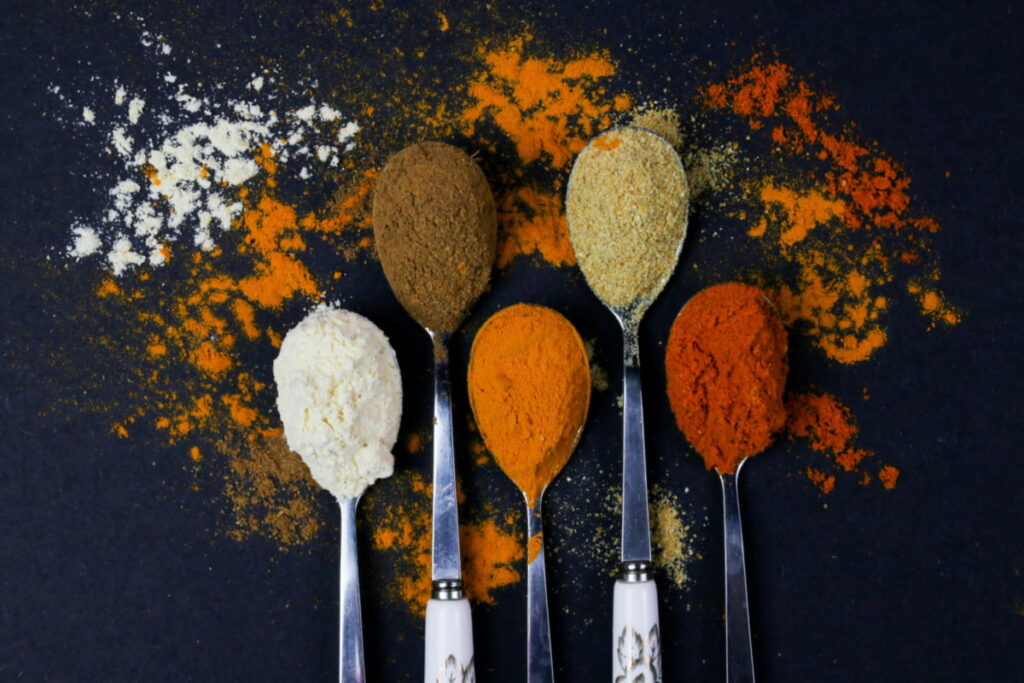
Once you move past the basics, spices are where eggs really start to change. You don’t need many, and you don’t need to use them all at once. A single spice, used lightly, can make eggs feel completely different.
These are the spices I use most often, plus how I’ve found they work best.
Paprika (Sweet or Smoked)
Paprika is easily the spice I use most on eggs.
- Sweet paprika adds warmth and color without taking over
- Smoked paprika adds depth and a subtle smokiness
I use smoked paprika regularly on fried eggs and hard-boiled eggs. It’s forgiving and hard to overdo if you start light.
Chili Powder or Cayenne
When I want heat, this is where it comes from.
A tiny pinch is enough. Eggs don’t need much spice to feel spicy, and I’ve learned the hard way that it’s easy to go too far. I usually pair heat with fat, butter, oil, or cheese, so it stays balanced.
Cumin
Cumin isn’t an everyday egg spice for me, but when I use it, it’s intentional.
It adds warmth and earthiness, and I like it best in scrambled eggs, especially when there are onions, peppers, or leftover vegetables involved. A very small amount goes a long way.
Turmeric
Turmeric adds color more than flavor.
I don’t use it constantly, but when I do, it’s usually in scrambled eggs. I always pair it with black pepper and some fat, which helps it blend better and keeps the flavor from feeling flat.
Curry Powder
Curry powder is bold, so I treat it that way.
This isn’t a daily choice, but it’s useful when you want eggs that don’t taste like “normal eggs” at all. I use it sparingly in scrambled eggs and keep the rest of the seasoning simple.
How to Use Spices Without Overdoing It
From experience, most spice mistakes with eggs come down to quantity.
- Start with a small pinch per two eggs
- Add spices during cooking so they bloom slightly
- Taste before adding more
Eggs reward restraint.
The Best Herbs for Eggs
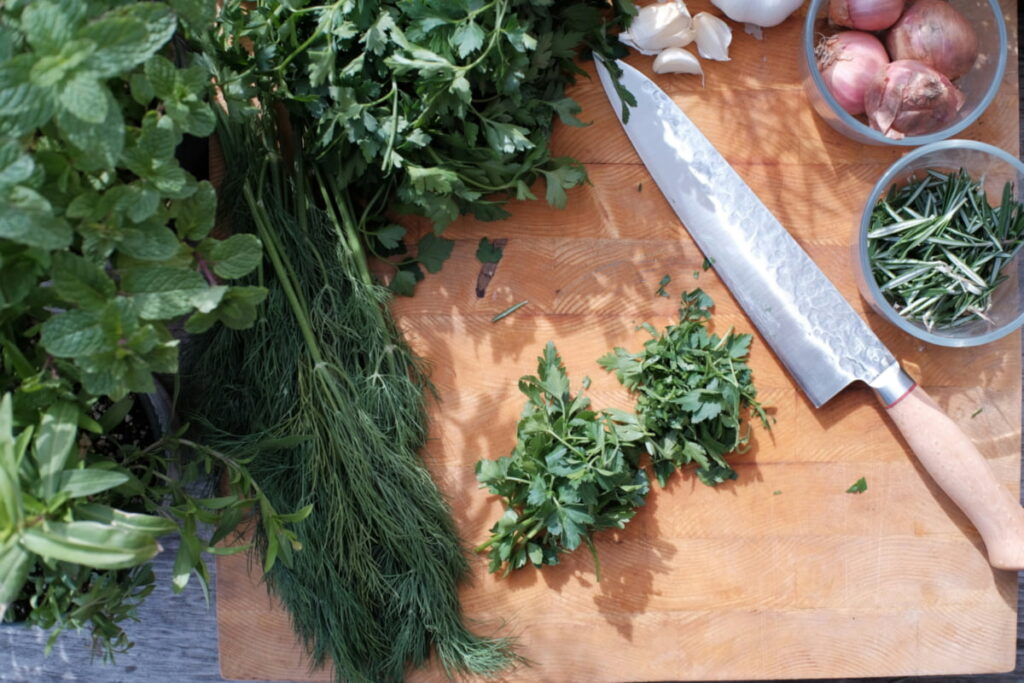
Herbs don’t change eggs in the same way spices do. Instead of adding warmth or heat, they add freshness. I reach for herbs most when eggs feel rich, buttery, or heavy and need something to brighten them up.
These are the herbs I use most often, and how I’ve learned they work best.
Chives
If I had to pick one herb for eggs, it would be chives.
They have a mild onion flavor that doesn’t overpower eggs, and they work with almost every style, scrambled, fried, soft-boiled, or hard-boiled. I usually add them at the very end so they stay fresh and slightly crisp.
Dill
Dill and eggs pair incredibly well.
I use dill most with scrambled eggs and soft-boiled eggs. It has a light, slightly tangy flavor that cuts through richness without needing much else. A small amount goes a long way.
Parsley
Parsley is clean and neutral, which makes it useful when eggs are part of a bigger dish.
I don’t use parsley for bold flavor, but I do use it when I want eggs to taste lighter or look fresher. It’s especially good as a finishing touch.
Thyme, Oregano, and Basil
These herbs are more assertive, so I use them selectively.
They work best when eggs are cooked with vegetables, cheese, or tomatoes. I usually use them in small amounts and add them during cooking so they mellow slightly.
Seasoning Eggs by Cooking Style
Different cooking methods change how eggs behave, so they benefit from different seasoning approaches. This table shows what works best for each style.
| Egg Style | When to Season | Seasonings That Work Well |
| Scrambled eggs | Before cooking | Salt, black pepper, garlic powder, paprika; finish with chives or dill |
| Fried eggs | After cooking | Flaky salt, black pepper, smoked paprika, chili flakes |
| Boiled & hard-boiled eggs | After cooking | Salt, pepper, paprika, herbs, spice blends |
| Poached eggs | After cooking | Salt, pepper, light herbs |
| Baked eggs (frittatas, quiches) | Before baking | Salt in mixture; herbs or pepper after baking |
How I use this: I treat this as a starting point, not a rulebook. If eggs taste flat, I usually adjust salt first, then everything else.
Simple Egg Seasoning Blends
If you like having a few reliable mixes you can reach for, these simple seasoning blends make eggs easier, especially when you don’t want to think too hard.
| Blend | What’s In It | Best For | Notes |
| All-Purpose Egg Seasoning | Salt, black pepper, paprika, garlic powder | Scrambled eggs, fried eggs, omelets | Balanced and versatile; my default blend |
| Smoky Egg Seasoning | Smoked paprika, salt, black pepper, garlic powder | Fried eggs, hard-boiled eggs | Adds depth without heat |
| Herb Egg Seasoning | Dried chives, parsley, black pepper, salt | Scrambled eggs, omelets, baked eggs | Brightens rich eggs |
| Spicy Egg Seasoning | Paprika, chili powder or flakes, garlic powder, salt | Scrambled eggs | Start light; easy to overdo |
| Mexican-Style (Shortcut) | Store-bought taco seasoning | Scrambled eggs | Use sparingly, usually already salted |
Flavor Upgrades: Cheese, Sauces, and Acid (Keep It Simple)
Good seasoning gets eggs most of the way there. These add-ons are what take them from good to really satisfying. I treat them as finishing moves, added after salt, spices, and herbs are already doing their job.
Butter for richness:
A small pat stirred in at the end adds richness and a better texture. I usually use unsalted so I stay in control, but even a little makes a difference.
Cheese for depth:
Cheese adds salt and richness on its own, so I season more lightly when I use it. Sharp or crumbly cheeses tend to work best without overpowering the eggs.
Acid for balance:
A squeeze of lemon or a splash of vinegar after cooking cuts through richness and brightens the eggs. You don’t need much, just enough to wake things up.
If cheese plays a big role in how you cook eggs, we go deeper here: Best Cheese for Eggs
Sauces for boldness:
Hot sauce, sriracha, or chili crisp are easy ways to change the flavor fast. I add them at the end so they stay bold.
For classics, unexpected picks, and best pairings: Best Sauces and Condiments for Eggs
Common Egg Seasoning Mistakes (And How to Avoid Them)
I’ve made all of these at some point. Most badly seasoned eggs aren’t the result of bad ingredients, they’re small missteps that add up.
Here are the most common ones, and how to fix them.
| Mistake | Why It Happens | How to Fix It |
| Under-seasoning (especially salt) | Eggs are mild, so not enough salt makes them taste flat | For scrambled eggs, start with a good pinch of salt per egg and adjust after cooking |
| Using too many strong spices | Eggs get overwhelmed easily | Pick one main spice and keep everything else simple |
| Seasoning at the wrong time | Salt and herbs behave differently during cooking | Season scrambled eggs early; finish fried, poached, and boiled eggs at the end |
| Treating every egg the same | Different egg styles absorb seasoning differently | Even seasoning matters for scrambled eggs; surface seasoning matters more for boiled and fried eggs |
| Not adjusting after cooking | Seasoning rarely lands perfectly on the first try | Taste once cooked and adjust lightly with salt, pepper, or herbs |
| Over-seasoning eggs you plan to reheat | Salt and spices intensify as moisture evaporates | Season a bit lighter before reheating and adjust afterward |
Where to Go Next
Seasoning eggs well is the foundation. From there, you can take them in any direction, richer, spicier, brighter, or bolder.
If you want to keep experimenting, you might like:

I tried to grab it but got bonbon all over it.
I tried to manhandle it but got bun all over it.