
I used to skip washing avocados. The peel looked thick, almost like armor, what could possibly get through that?
Then I stumbled across an FDA report showing that nearly one in five avocados carried Listeria on the skin. Suddenly, “just peel it” didn’t sound so safe.
So I dug in, food-safety studies, FDA data, even a few Reddit threads, to figure out what’s actually sitting on that green skin and how to clean it without wrecking your fruit.
The Journey of an Avocado: Why Washing Even Matters
Before it hits your cutting board, your avocado’s been on quite a trip:
farm soil → sorting line → packing crates → trucks → grocery displays → checkout counter → your kitchen.
Every step adds something, dust, wax, pesticide residue, human handling, or the microbes that live in warm, humid produce storage. And even though the peel is thick, those contaminants don’t just stay on the surface.
The moment you press a knife through that skin, whatever’s on it can hitch a ride straight into the flesh.
That’s not just theory. In 2018, the FDA published a report, where it found Listeria on 17% of avocado skins and Salmonella on a smaller percentage. Both can cause foodborne illness if transferred to the edible part.
It’s not alarmist, just basic microbiology.
What’s Really on the Avocado Skin (and Why You Can’t See It)
Avocado skins can look spotless and still harbor microscopic contaminants.vHere’s what studies and food safety experts have found:
- Listeria monocytogenes: Found in 1 of every 6 avocados tested by the FDA. It survives cold storage and can transfer via knives.
- Salmonella: Less common, but still detected on some samples.
- Pesticide residue: More likely on conventionally grown fruit, though levels are typically within safety limits (EWG produce guide )
- Handling contamination: Everything from soil to fingerprints, it all adds up.
- Even organic avocados can carry bacteria. “Organic doesn’t mean microbe-free,” as food safety specialist Dr. Benjamin Chapman from NC State University points out, it just means fewer synthetic chemicals were used.
The takeaway: clean skins don’t always mean clean avocados.
The Internet Debate: To Wash or Not to Wash?
Spend five minutes on Reddit or TikTok, and you’ll see two camps:
- “You don’t eat the peel, so who cares?”
- “Wash everything. Period.”
What the Internet Says
“I don’t wash my bananas or avocados before eating, because I don’t eat the peel. Nothing wrong with doing so if it makes you feel safe, but not necessary.” — r/foodsafety
And from Twitter:
Online logic aside, food-safety experts say a quick rinse under running water is enough to prevent cross-contamination when you slice. No soap, no soaking, just a light rub and rinse.
| Source | What They Say | Why It Matters |
| FDA | Rinse under cool water, scrub gently with your hands or a soft brush | Prevents bacteria transfer when slicing |
| CDC | Wash all produce before cutting, even if you peel it | Cross-contamination happens fast |
| Chefs & Food Writers | “Consistency is key, wash everything” | Keeps kitchen hygiene habits automatic |
| Split opinions | Convenience vs. caution |
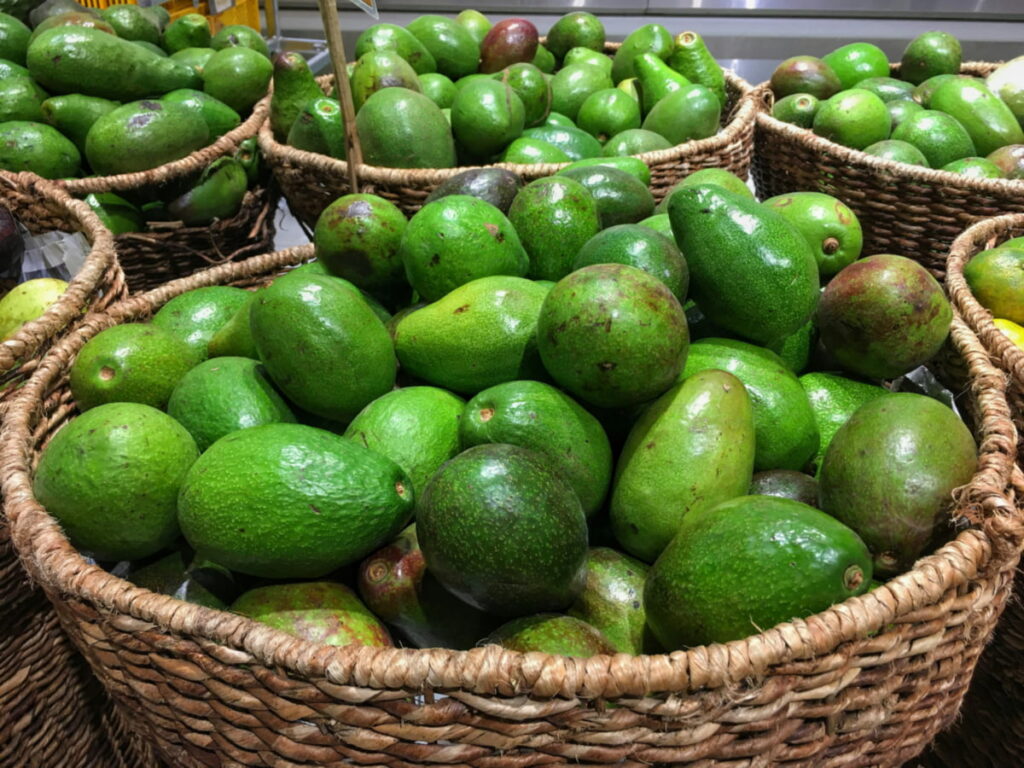
How to Wash Avocados: A Step-by-Step Guide
Getting your avocados cleaned is quite an easy process, but you need to ensure it is done properly, so that all contaminants are removed from the skin of the fruit.
Steps:
- Check The Avocado. Before you start cleaning, it is important to remove any leaves, stems and brush off any excess dirt that may be on the fruit.
- Wash Your Hands. Clean your hands, before you handle the fruit, as you do not want to transfer more dirt, grime or bacteria to the skin avocado.
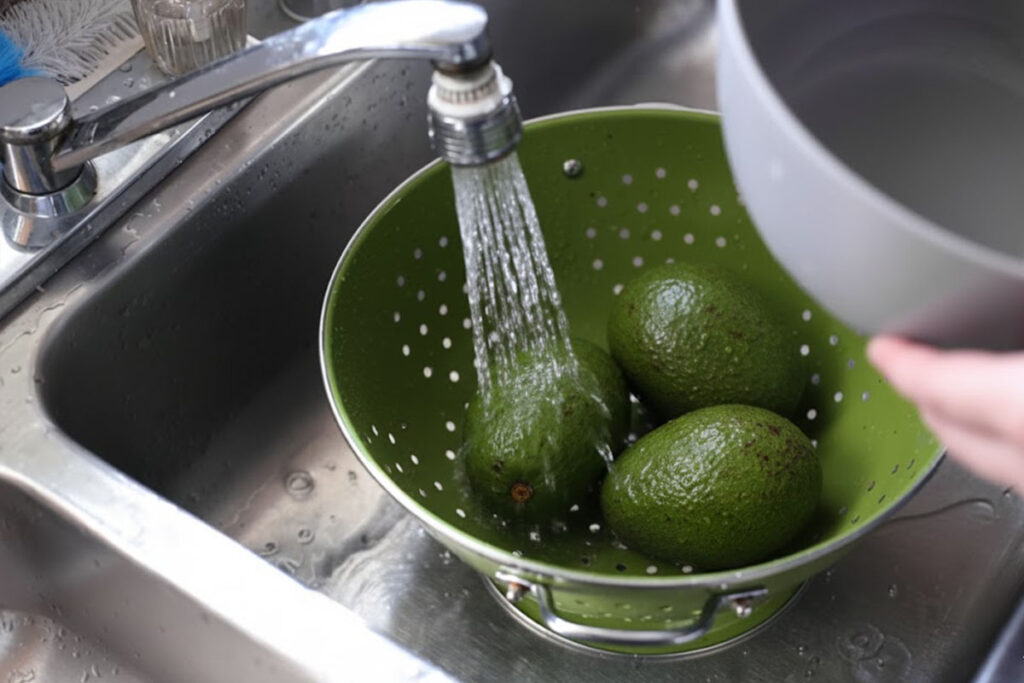
- Rinse the avocado. You should start by taking the fruit and placing it under running water from the kitchen faucet. You should gently rub the avocado to remove any foreign material that may have found its way onto the skin.
If you want to be thorough, you can use a vegetable brush to scrub the crevices you won’t be able to reach with your hand. - Dry the avocado. Once you have thoroughly washed your avocado, you will need dry it properly. As I stated earlier, moisture allows for the growth of bacteria and if it allows to sit, it can cause the avocado to spoil quickly.
- Read to peel/cut. Once your avocado is dried off, you are ready to place your clean avocado on your freshly sterilized cutting board and start to cut, slice and dice for your favorite guacamole recipe or meal!
Here’s a short video if you want to see visuals

Do You Need Soap or Vinegar?
Okay, I know it might sound like a silly question , soap? on an avocado? But I’ve seen people do it (and yes, I once wondered the same thing).
Here’s the thing: you really don’t need anything fancy, and definitely not soap.
The FDA actually warns against using detergents or household cleaners on produce because they can leave behind residues that cling to the skin and might even seep into the fruit.
And what about vinegar or baking soda? Skip those too.
There’s no solid evidence they remove more bacteria than good old running water and a light scrub.
Bottom line: just water, your hands, and maybe a soft veggie brush. That’s it, no chemistry set required.
When Should You Wash Avocados?
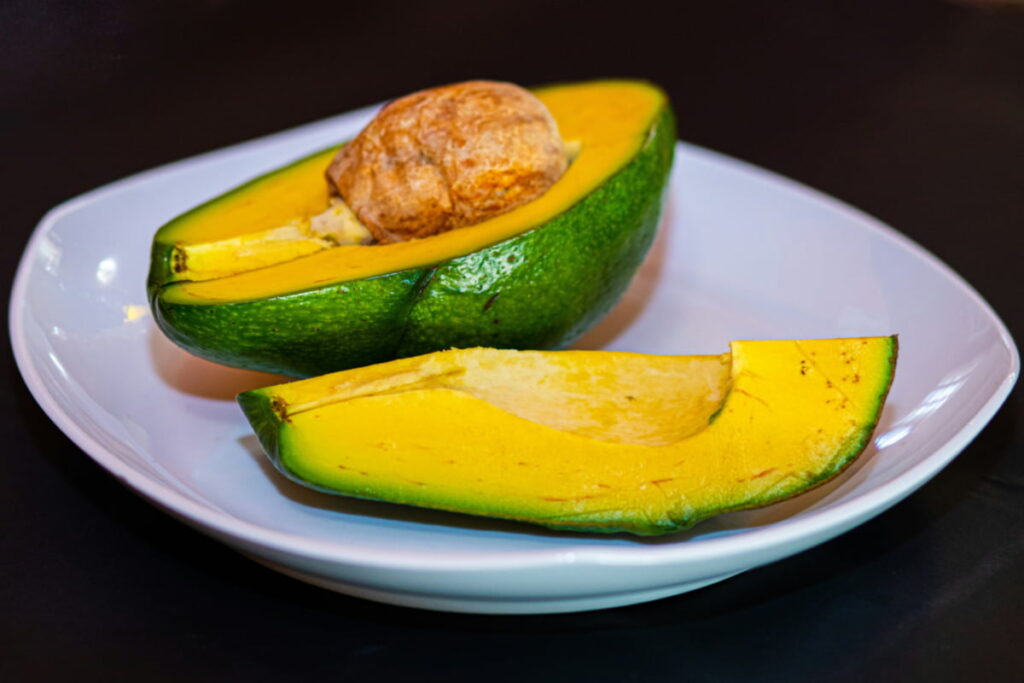
Timing matters.
You should only wash your avocados right before cutting or eating them, never before storing.
Water can sneak into the stem cavity or sit in small skin creases, which speeds up spoilage and mold.
So if you bring home a bag of avocados, store them dry and give them a quick rinse just before you’re ready to slice or mash.
Common Mistakes People Make Without Realizing It
Even people who do wash their avocados sometimes get tripped up here:
- Washing too soon: Adds moisture → shortens shelf life.
- Leaving stems on: Dirt and bacteria love to hide under there.
- Reusing a cutting board: Especially one that touched meat, instant cross-contamination.
- Using dirty towels: Drying with a grimy cloth undoes all your work.
Each one sounds small, but in food safety, the “little stuff” is what causes trouble.
The Big Picture: Why It’s Worth the Ten Seconds
Washing an avocado won’t make it taste different, but it does change the odds. Ten seconds under running water keeps the bacteria on the outside from becoming part of your meal.
It’s not paranoia; it’s prevention. You wash your hands before you eat, the avocado deserves the same respect.
Want More Food Safety Deep Dives?
If you love food guides that combine science, practical steps, and a dash of real-world experience, check out my Fruit Safety & Prep Hub.
