
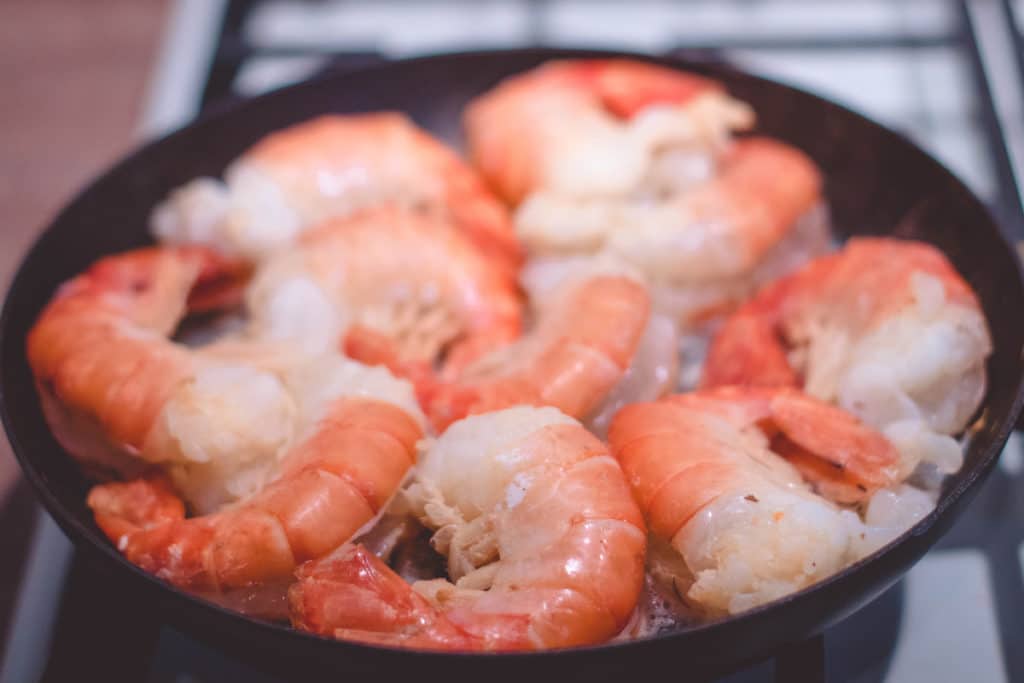
Dinner’s in an hour and your shrimp are still frozen solid? Been there.
I eat shrimp a lot, pasta, tacos, quick stir-fries, but I’ve also ruined my fair share by thawing them wrong. Shrimp thaw fast, but they’re delicate, and how you defrost them decides whether they turn out plump and snappy or sad and soggy.
The good news? You can thaw frozen shrimp quickly and safely, no guesswork, no mush.
Here’s how I do it after a lot of trial, error, and a few late dinners.
In a Hurry? Here’s How to Thaw Frozen Shrimp Fast and Safely
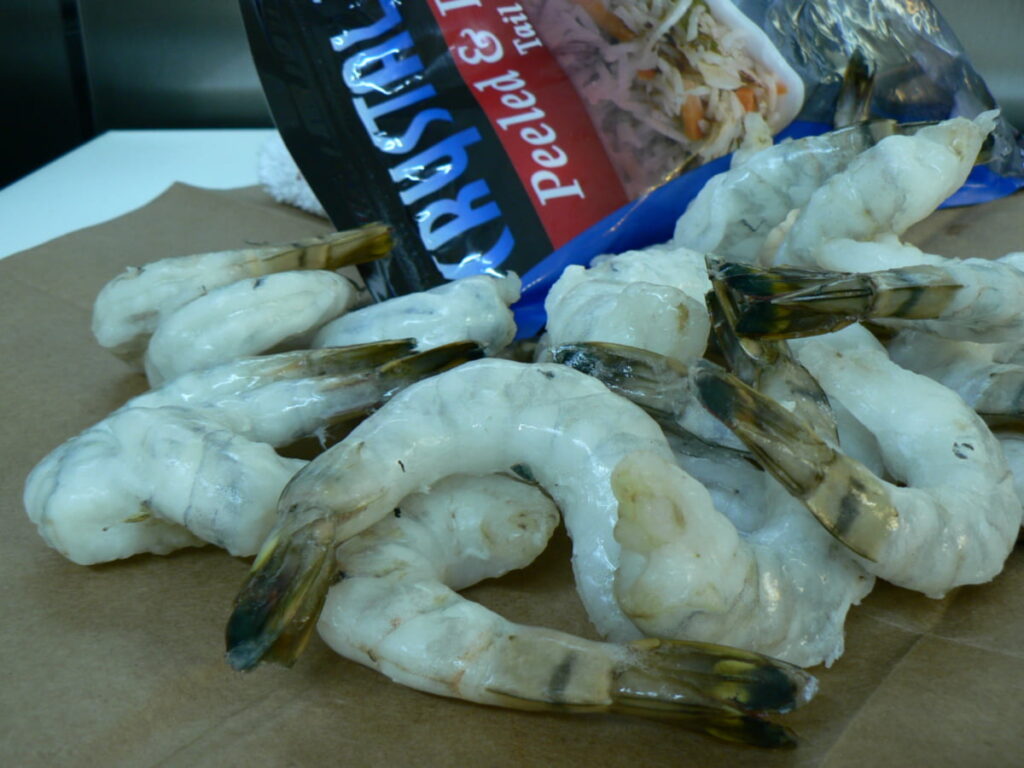
When dinner’s soon and the shrimp are rock-solid, you don’t need theory, you need results. These are my three go-to methods that always work.
1. Cold Water Method (Best Overall)
Seal shrimp in a zip bag → place in a bowl of cold tap water → stir once or twice → change water every 10–15 minutes.
✅ Ready in about 20 minutes.
→ This keeps the texture firm and the flavor clean, my go-to 90% of the time.
2. Running Water Method (Fastest)
Put shrimp in a colander → run a gentle stream of cold water over them → toss occasionally.
✅ Ready in 5–7 minutes.
→ Super fast, but wastes water, so I only do this when I’m starving.
3. Microwave Method (Last Resort, but Okay)
Spread shrimp in a single layer on a microwave-safe plate → cover loosely → defrost on 30% power in 15–20 second bursts, flipping each time.
✅ Ready in about 1–2 minutes total.
→ Works fine for stir-fries or pasta, just cook them right away.
Got a minute? Here’s why these methods work, and how to keep your shrimp firm and juicy, not tough.
Why These Methods Work (and Why Shrimp Turn Mushy)
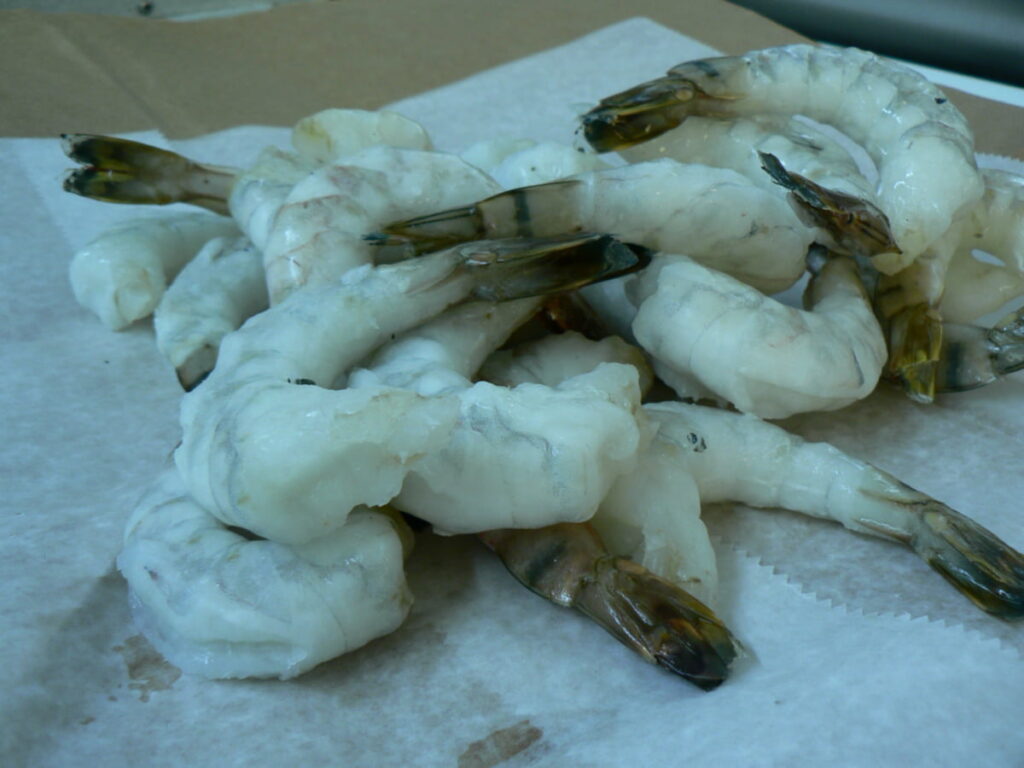
Here’s the thing about shrimp: they’re mostly water and very little fat, which makes them extremely sensitive to temperature changes.
When shrimp thaw too fast, like in hot water or sitting on the counter, the proteins contract and squeeze out moisture. That’s how you end up with rubbery or chalky shrimp before they even hit the pan.
Cold water keeps the temperature under control. It moves heat around 25 times faster than air, which means your shrimp thaw evenly without ever crossing into the “danger zone” (above 40°F).
Translation: faster thaw, no mush, no food safety risk.
How to Thaw Shrimp (Step by Step Methods That Work)
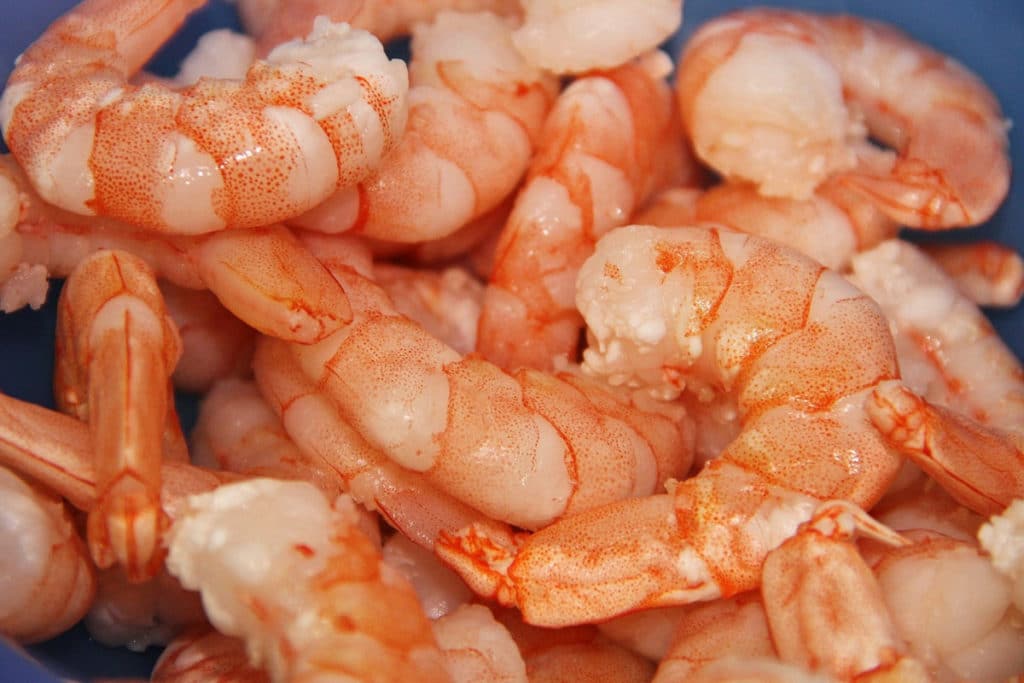
Ready for the details? These step-by-step methods I use to thaw shrimp safely and get the best texture every time.
1. Cold Water Method (My Everyday Move)
This is my default, fast, safe, and great for texture.
- Keep shrimp in their sealed bag, or rebag if it leaks.
- Fill a large bowl with cold tap water (not warm).
- Submerge the bag completely, weigh it down with a plate.
- Stir once or twice during thawing.
- Change the water every 10–15 minutes.
- Once they’re flexible and translucent, drain and pat dry.
⏱ Time: About 20–25 minutes.
My tip: I line the bowl with a colander so I can just lift the shrimp out, no fishing through icy water.
2. Running Water Method (Fastest, but Wasteful)
For nights when the pan’s already heating up.
- Place shrimp in a colander in the sink.
- Run a slow, steady stream of cold water over them.
- Toss every minute or two to loosen the clumps.
- Pat dry and cook immediately.
⏱ Time: 5–7 minutes.
I only use this when I’m desperate, it works, but I don’t love wasting the water.
3. Microwave Method (For When You’re Starving)
This is your emergency move. It’s not perfect, but done carefully, it gets the job done.
- Spread shrimp (peeled or unpeeled) in one even layer on a microwave-safe plate.
- Cover loosely with a lid or plastic wrap.
- Use the Defrost setting or 30% power.
- Heat in 15–20 second bursts, flipping or stirring between each.
- Stop when shrimp are flexible and translucent, not opaque.
- Cook immediately.
⏱ Time: 1–2 minutes total.
I’ll only do this if I’m tossing shrimp into fried rice or pasta, dishes forgiving of a few pre-cooked edges.
Microwave Method (When You’re Starving)
The microwave is your fastest option when dinner can’t wait, just use caution. Too much heat, and you’ll start cooking the shrimp instead of thawing them. Uneven thawing can also push parts of it into the danger zone where bacteria grow, so go slow and cook right after.
How to do it:
- Spread shrimp (peeled or unpeeled) in a single layer on a microwave-safe plate and cover loosely with a paper towel or lid.
- Use Defrost or 30% power, microwaving in 15–20 second bursts.
- Flip or stir between rounds until shrimp are flexible and translucent, not opaque.
- Cook immediately.
⏱ Time: About 1–2 minutes total.
I only use this for quick meals like shrimp fried rice, it’s fast, not perfect, but it saves dinner.
There is also a food safety concern in using the microwave, as aside from uneven thawing taking place, you could also raise the temperature of the shrimp to the ‘Danger Zone’ where harmful bacteria could begin to multiply.
4. Refrigerator Method (When You Actually Remember)
If you’re one of those people who plans ahead (teach me your ways), this is the most hands-off and consistent method.
- Place shrimp in a covered bowl or on a plate.
- Set it in the fridge overnight (8–12 hours).
- Drain, rinse gently, and pat dry before cooking.
When preparing frozen shrimp for defrosting in the refrigerator, place the package in a container or bowl on the bottom shelf, away from other foods for safety reasons (USDA Safe Defrosting Methods)
Bonus: you can keep them in the fridge for another day if you change your dinner plans.
Related: How to Thaw Frozen Salmon?
What Not to Do
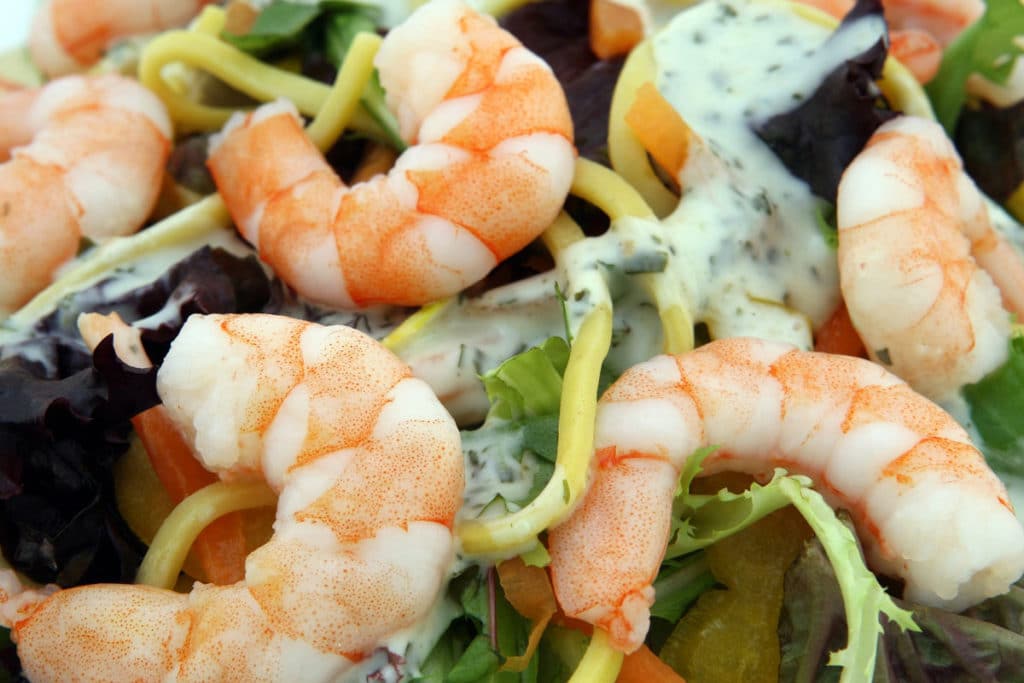
Before you start thawing, it’s worth knowing what not to do. A few common shortcuts can ruin the texture of frozen shrimp, or worse, make it unsafe to eat.
- ❌ Don’t thaw frozen shrimp on the counter. The outer layer warms too fast and can slip into the danger zone, the temperature range where bacteria multiply quickly.
- ❌ Don’t use hot water. It starts cooking the frozen shrimp before it’s even thawed, which ruins the texture and flavor.
- ❌ Don’t leave thawed shrimp sitting out. Once your frozen shrimp is defrosted, keep it cold or cook it right away to avoid bacterial growth.
- ❌ Don’t refreeze thawed shrimp. Refreezing breaks down the muscle fibers, turning firm frozen shrimp into a soft, mushy texture.
Overnight in the Refrigerator: The Safest Way to Thaw Shrimp
Overnight in the refrigerator is the recommended method for thawing frozen shrimp.
While it isn’t the quickest method available and does require advanced planning, you can be sure that it will thaw safely and be ready for when you are ready to use it.
As the shrimp thaws, you don’t want possible drippings contaminating other foods.
Related: How to Thaw Scallops?
Next Time You Forget to Thaw Shrimp…
You’re not alone, I’ve been there, staring at a bag of ice-glazed shrimp at 6:30 p.m.
But now you know exactly how to thaw shrimp quickly and safely, whether you’ve got 5 minutes, 20, or overnight.
Once you learn how heat really moves, thawing stops being a scramble and becomes part of cooking. No mushy shrimp, no panic, just dinner that tastes like you actually planned it.
Want more quick and easy thawing tips? Check them out here.
